Introduction
The sun gives life to our planet—it warms us, boosts our mood, and provides essential vitamin D. But too much of its ultraviolet (UV) radiation can harm your skin. Overexposure to the sun can cause premature aging, wrinkles, dark spots, and even increase the risk of skin cancer. Protecting your skin from sun damage isn’t just about vanity—it’s about maintaining your health and well-being for years to come.
Let’s explore how you can keep your skin safe, healthy, and glowing while still enjoying the outdoors.
☀️ Understanding Sun Damage
Before you learn how to protect your skin, it’s important to understand what sun damage actually is. The sun emits two main types of harmful ultraviolet rays—UVA and UVB.
- UVA rays penetrate deep into your skin and are primarily responsible for aging, wrinkles, and dark spots.
- UVB rays mainly affect the surface of your skin and cause sunburns.
Both types of rays can damage the DNA in your skin cells, leading to premature aging and increasing the risk of skin cancer. This damage builds up over time, meaning even small amounts of sun exposure add up through the years.
🌤️ 1. Always Use Sunscreen
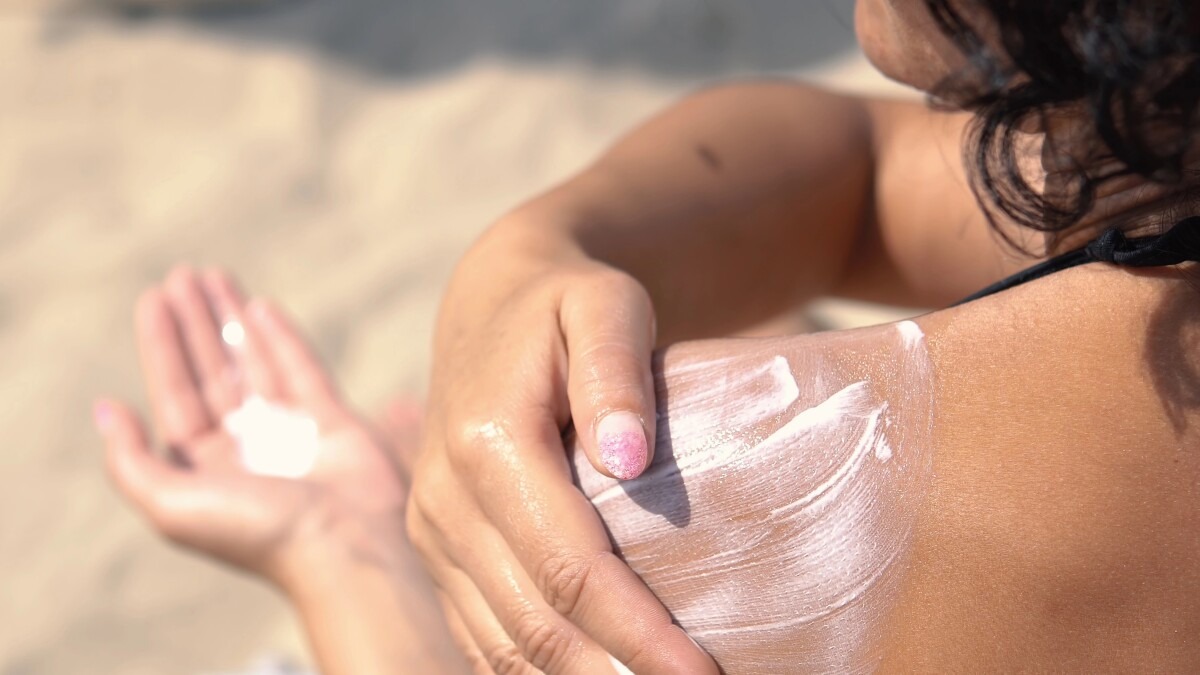
Sunscreen is your skin’s best defense against harmful UV rays. It acts as a barrier, absorbing or reflecting the rays before they can damage your skin.
Here’s how to choose and use sunscreen effectively:
- SPF 30 or higher: SPF (Sun Protection Factor) tells you how long you can stay in the sun without burning compared to unprotected skin. SPF 30 blocks about 97% of UVB rays.
- Broad-spectrum protection: Always choose sunscreens that protect against both UVA and UVB rays.
- Water-resistant formulas: Great for swimming or sweating outdoors.
- Reapply every 2 hours: Sunscreen wears off with time, sweat, and water. Reapply generously, especially if you’re outdoors for long periods.
- Don’t forget small areas: Your ears, neck, back of hands, and even your feet can get sunburned too!
💡 Pro Tip: Apply sunscreen 15–20 minutes before going outside for best absorption.
👒 2. Wear Protective Clothing
Clothing is one of the simplest and most effective ways to shield your skin from the sun. While it’s tempting to wear light clothing during hot weather, try to cover as much skin as comfortably possible.
Best clothing choices for sun protection:
- Long-sleeved shirts and pants: Choose lightweight, breathable fabrics like cotton or linen.
- Wide-brimmed hats: Protects your face, ears, and neck from direct sunlight.
- UV-blocking sunglasses: Protect the delicate skin around your eyes and reduce the risk of cataracts.
- UPF-rated clothing: Some modern clothes come with a Ultraviolet Protection Factor (UPF) rating, similar to sunscreen. A UPF 50 shirt, for example, allows only 1/50th of UV rays to pass through.
🌇 3. Seek Shade Whenever Possible
The sun’s rays are strongest between 10 a.m. and 4 p.m. Try to plan your outdoor activities early in the morning or later in the evening when UV exposure is lower.
If you must be outside during peak hours:
- Find shade under trees, umbrellas, or canopies.
- Sit under covered areas when possible.
- Carry a portable sunshade or wear a hat with a brim.
💡 Remember: Even on cloudy days, up to 80% of UV rays can pass through clouds, so don’t skip your sun protection routine!
🕶️ 4. Protect Your Skin Year-Round
Many people think sunscreen is only for summer. The truth is, UV rays are present every day, even in winter. Snow, sand, and water can reflect UV rays and increase your exposure.
- Winter: Snow reflects up to 80% of UV rays—apply sunscreen before skiing or snowboarding.
- Rainy days: UV rays penetrate clouds and glass. Always wear sunscreen, even if you’re indoors near windows.
- Beach days: Reapply sunscreen after swimming or sweating.
Make sun protection a part of your daily skincare routine—just like brushing your teeth or washing your face.
🥗 5. Eat Foods That Support Skin Health
Your diet plays a vital role in protecting your skin from sun damage. Certain nutrients can help repair and strengthen your skin from the inside out.
Best foods for sun protection:
- Tomatoes: Rich in lycopene, which may protect skin from UV damage.
- Carrots & sweet potatoes: Packed with beta-carotene, which supports skin repair.
- Leafy greens: Contain antioxidants like lutein and zeaxanthin that protect skin cells.
- Berries: High in vitamin C, which boosts collagen production and reduces oxidative stress.
- Nuts and seeds: Contain vitamin E, a powerful antioxidant that defends against UV damage.
💧 And don’t forget hydration! Drink plenty of water to keep your skin healthy and supple.
🧴 6. Moisturize After Sun Exposure
Even if you take precautions, some UV exposure is unavoidable. After spending time outdoors, help your skin recover.
- Use aloe vera gel or after-sun lotions to soothe the skin.
- Choose moisturizers with antioxidants like vitamin C or green tea extract to repair damage.
- Avoid harsh exfoliants right after sun exposure, as your skin may be more sensitive.
Regular moisturizing keeps your skin barrier strong and prevents peeling, dryness, and irritation.
⚠️ 7. Avoid Tanning Beds and Artificial UV
Tanning beds might give you a “sun-kissed” glow, but they emit UV rays that are just as harmful—if not worse—than the sun. They speed up skin aging and increase your risk of melanoma, the deadliest form of skin cancer.
If you want a tan, consider safer alternatives:
- Self-tanning lotions or sprays that provide color without UV damage.
- Bronzing powders for an instant glow.
Remember, healthy skin is beautiful skin, not necessarily tanned skin.
🌿 8. Build a Daily Sun Care Routine
Consistency is key. Protecting your skin from the sun should be part of your everyday lifestyle.
Here’s a simple daily routine:
- Morning: Cleanse → Moisturize → Apply sunscreen (SPF 30+)
- Daytime: Reapply sunscreen every 2–3 hours
- Evening: Cleanse and use a hydrating night cream or serum
This small effort will make a huge difference in your skin’s appearance and health over time.
🌈 Conclusion
Protecting your skin from sun damage isn’t about avoiding the sun altogether—it’s about being smart. With daily sunscreen use, protective clothing, shade, and a healthy diet, you can enjoy the outdoors safely. Remember, every small step you take today adds up to healthier, more youthful-looking skin tomorrow.
Your skin is your body’s largest organ—treat it with care, and it will reward you with a radiant, lasting glow.
🙋♀️ Frequently Asked Questions (FAQs)
1. Can I still get sunburned on cloudy days?
Yes! Up to 80% of UV rays pass through clouds, so you should wear sunscreen even when it’s overcast.
2. What SPF is best for daily use?
For everyday activities, use SPF 30 or higher. If you spend extended time outdoors, SPF 50 is even better.
3. Does makeup with SPF protect my skin enough?
Makeup with SPF helps, but it’s not enough on its own. Always apply a separate layer of sunscreen underneath your makeup.
4. How often should I reapply sunscreen?
Every 2 hours—or sooner if you’re sweating, swimming, or towel-drying your skin.
5. Can I get vitamin D if I wear sunscreen every day?
Yes! You can still get some vitamin D through minimal sun exposure, your diet, or supplements without risking skin damage.
About the author : Richard