Gallbladder removal, medically known as a cholecystectomy, is a common surgical procedure used to treat gallstones or other gallbladder issues. The gallbladder is a small organ located beneath the liver that stores bile, which is a digestive fluid produced by the liver. When a surgeon removes this organ, your digestive system must adapt to a new way of processing the food. Understanding how to navigate this change can help you support your body during recovery. Here’s information on what to eat after getting a gallbladder removal:
How Gallbladder Removal Affects Digestion
Bile acts as an emulsifier to break down the dietary fats you consume. Without a gallbladder to store bile, your liver will continue to produce this necessary fluid, but it will drip continuously into your small intestine. This continuous flow changes how your body processes certain foods, particularly those high in fat.
Before gallbladder removal surgery, your gallbladder would release a concentrated amount of bile whenever you ate a heavy or fatty meal. The gallbladder stores bile, and it releases this fluid to help break down fats efficiently. Without this storage system, the constant but less concentrated supply of bile may struggle to process larger amounts of fat.
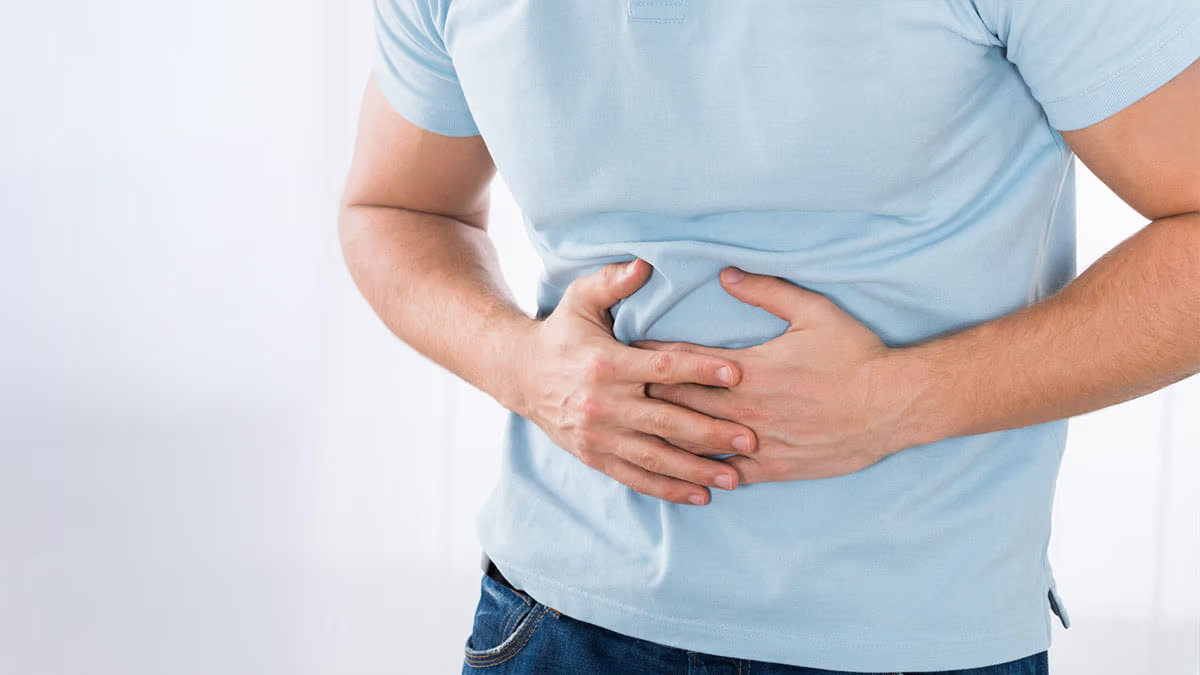
Because your digestive tract now receives a slow, steady stream of bile, eating a high-fat meal can overwhelm your system. When undigested fat passes rapidly through the digestive tract, it can cause discomfort. You may experience temporary bloating, or you might notice temporary changes in your daily bowel habits, including diarrhea. Your body typically adapts to this continuous drip over time, allowing digestion to stabilize.
How To Adjust Your Diet
Modifying your eating habits in the weeks following surgery gives your digestive system time to heal and adjust. Directly after the procedure, you will likely start with clear liquids before progressing to a bland diet. Once you are ready to introduce standard solid foods, make sure to take your time. Eating smaller, more frequent meals throughout the day instead of three large ones may be beneficial. This strategy allows your available bile to adequately mix with the food in your intestine.
When adding a new food back into your routine, introduce one food item at a time. Start with small portions, and monitor how your body responds to each new food. Pay close attention to any ingredients that cause discomfort, and temporarily remove them from your meal plan before trying again later in your recovery. Your surgeon will follow up with you after your surgery, but if concerns arise before, you can contact them as needed.
What Foods To Focus on
To support your digestive transition, prioritize foods that are gentle on your system and easy to process. Focus on the following categories during your recovery:
- Lean Proteins: Choose poultry, fish, tofu, and legumes; these provide necessary nutrients without the heavy fat content found in red meat or fried proteins.
- Low-Fat Dairy: If you consume dairy, opt for skim milk, low-fat yogurt, or dairy alternatives like almond or oat milk.
- Complex Carbohydrates: Incorporate oats, brown rice, and whole-wheat bread. Slowly increase your intake of these high-fiber foods to prevent bloating while promoting regular bowel movements.
- Cooked Vegetables: Steamed or roasted vegetables are often easier to digest than raw vegetables during the initial weeks after surgery.
Avoid highly processed foods, fried items, and heavy creams, as these require concentrated bile for proper digestion.
Learn More About Gallbladder Removal
Recovering from a cholecystectomy takes time and mindful dietary changes. After surgery, you can return to more regular eating patterns over time. Understanding the mechanics of your digestion can help you navigate your recovery more efficiently, but your medical team will still need to follow up with you. If you have questions about your nutritional needs, contact your healthcare provider for personalized guidance.
About the author : Richard