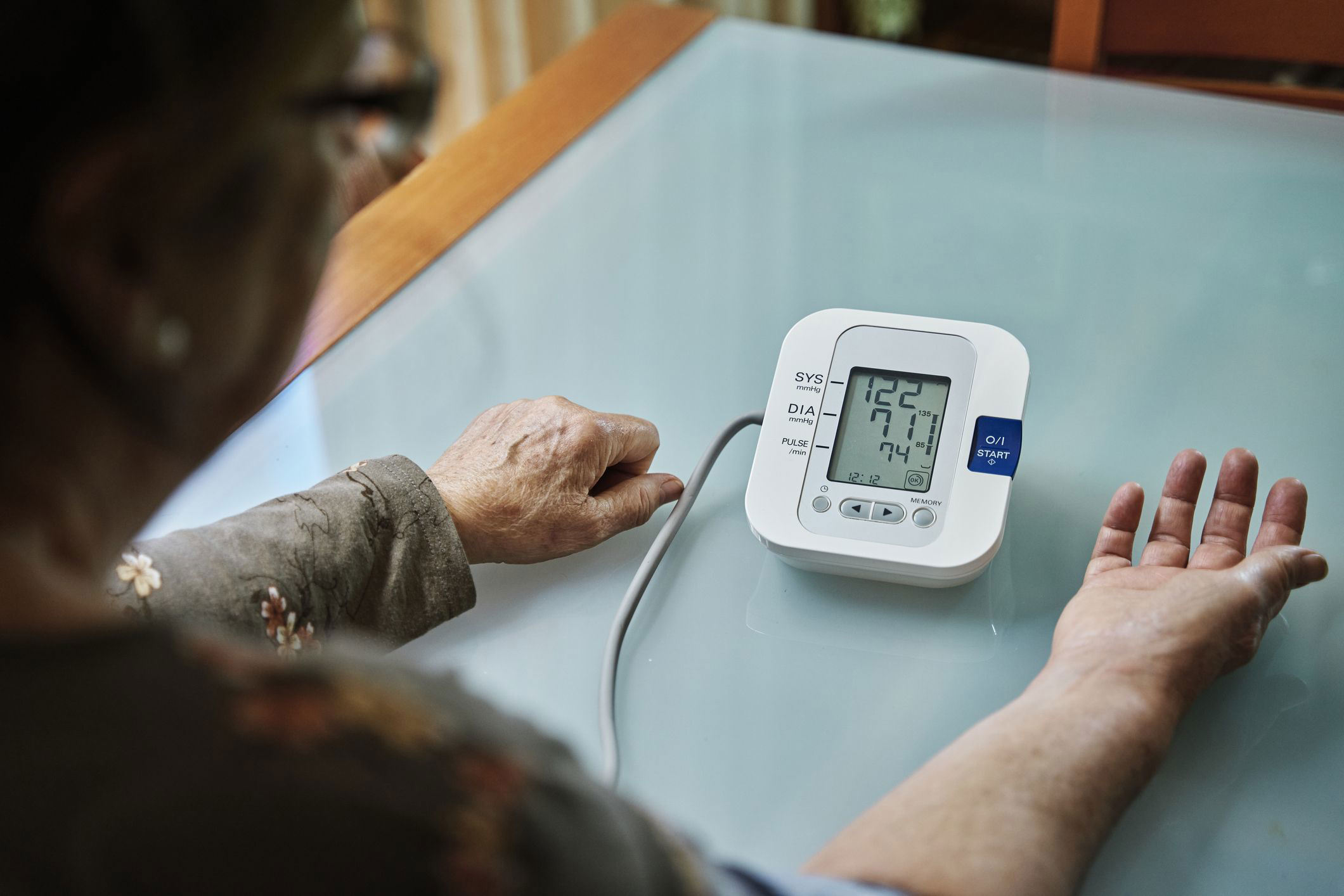
Cholesterol — it’s a word that often makes people nervous. We hear about it at the doctor’s office, see it on food labels, and worry about it as we age. But here’s the truth: not all cholesterol is bad. Your body actually needs cholesterol to build healthy cells and hormones. The problem begins when your LDL (low-density lipoprotein) cholesterol — often called the “bad” cholesterol — gets too high. That’s when fatty deposits can form in your blood vessels, increasing the risk of heart disease and stroke.
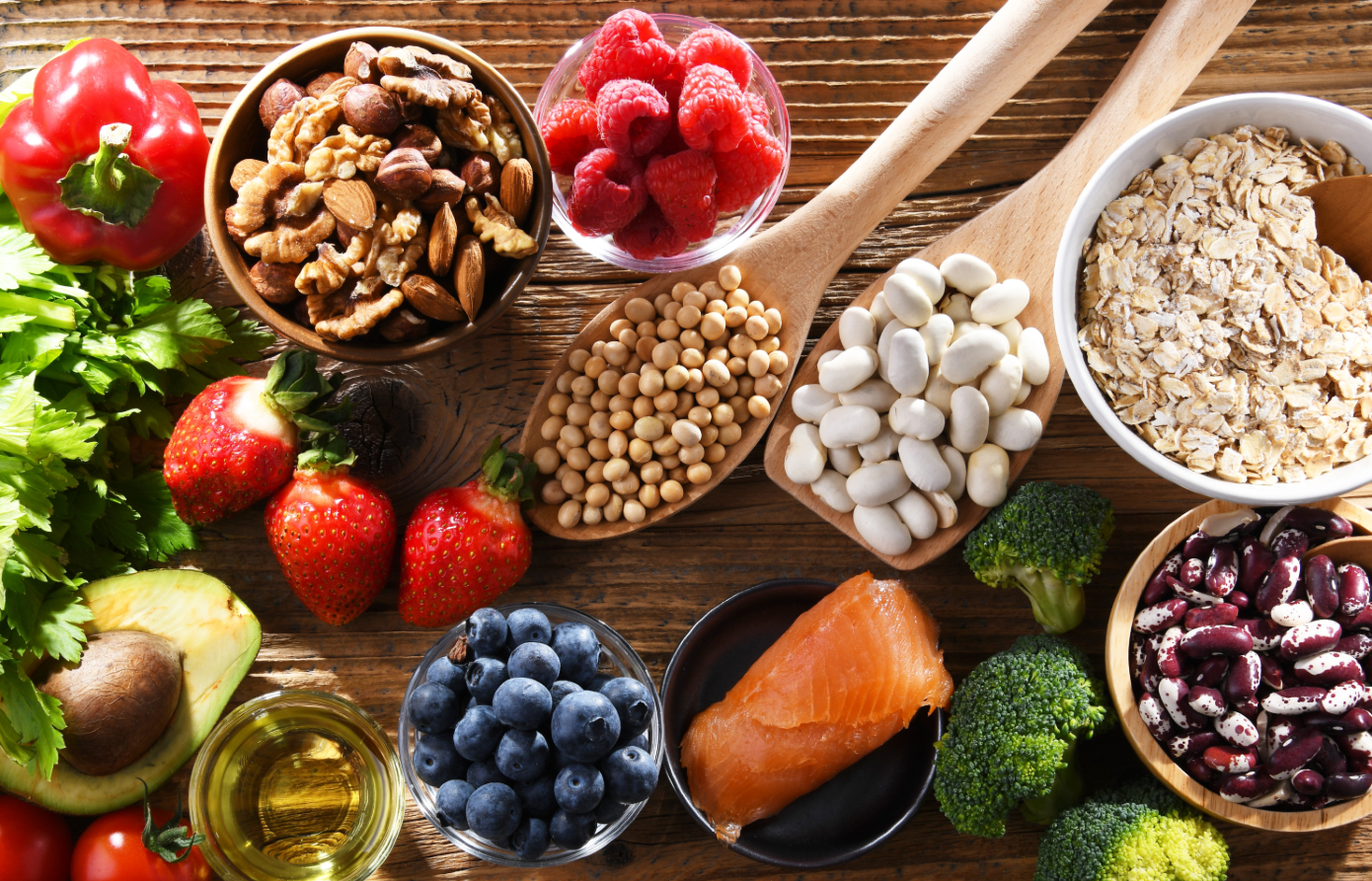
The good news? Your diet plays a huge role in controlling cholesterol levels. Some foods can actively help reduce “bad” cholesterol and improve your heart health naturally. Let’s explore the top foods that lower cholesterol levels and how to include them in your daily meals.
1. Oats and Whole Grains – The Breakfast Powerhouse
If you’re looking for an easy way to start lowering your cholesterol, begin with your breakfast. Oats are rich in a type of soluble fiber called beta-glucan, which helps absorb cholesterol in your digestive system and carry it out of the body before it enters your bloodstream.
Other whole grains like barley, brown rice, quinoa, and whole wheat also provide fiber that supports heart health. Aim for at least 5–10 grams of soluble fiber daily for noticeable results.
Try this: Start your morning with a bowl of oatmeal topped with berries and nuts, or switch your white rice to brown rice at lunch.
2. Fatty Fish – Rich in Omega-3 Fatty Acids
Fish like salmon, mackerel, sardines, and trout are packed with omega-3 fatty acids, which help increase HDL (“good”) cholesterol and reduce inflammation in your arteries. Unlike saturated fats found in red meat, omega-3s support your heart and may help lower triglycerides — another type of fat that can raise heart risk when high.
Try this: Eat two servings of fatty fish per week. If you’re vegetarian, you can get omega-3s from flaxseeds, chia seeds, walnuts, or algae-based supplements.
3. Avocados – The Heart-Healthy Fruit
Avocados aren’t just trendy; they’re loaded with monounsaturated fats that help reduce LDL cholesterol while increasing HDL. They also contain fiber, potassium, and antioxidants, which make them an excellent heart-protective food.
A study published in the Journal of the American Heart Association found that eating one avocado per day can lower “bad” cholesterol in overweight adults.
Try this: Spread mashed avocado on whole-grain toast instead of butter, or add slices to your salad or smoothie.
4. Nuts – Small But Powerful
Nuts like almonds, walnuts, pistachios, and cashews are rich in healthy fats, plant sterols, and fiber — all of which help lower cholesterol. Eating just a handful of nuts a day can reduce LDL levels and improve overall heart function.
However, remember that nuts are high in calories, so portion control is important. A small handful (about 30 grams) a day is enough.
Try this: Snack on a mix of almonds and walnuts, or sprinkle chopped nuts on your oatmeal or yogurt.
5. Legumes and Beans – Protein With Benefits
Beans, lentils, and chickpeas are excellent plant-based sources of protein and soluble fiber. They help your body absorb less cholesterol and make you feel full longer, which can also aid in weight management — another factor in heart health.
Try this: Replace meat with beans in your favorite recipes. For example, make lentil soup, chickpea salad, or black bean tacos.
6. Fruits Rich in Pectin – Nature’s Cholesterol Blocker
Certain fruits are especially effective at lowering cholesterol because they contain pectin, a type of soluble fiber that binds to cholesterol in the digestive tract. These include apples, grapes, strawberries, oranges, and pears.
Try this: Eat an apple a day, blend berries into your smoothies, or snack on orange slices instead of chips.
7. Olive Oil – The Liquid Gold
Extra virgin olive oil is a key part of the Mediterranean diet, which is known for promoting heart health. It’s rich in monounsaturated fats and antioxidants that lower LDL cholesterol while protecting your cells from damage.
Try this: Use olive oil for salad dressings, drizzling over veggies, or light sautéing. Avoid deep-frying, as high heat can damage the oil’s healthy compounds.
8. Green Tea – A Soothing Heart Helper
Green tea contains powerful antioxidants called catechins, which can help lower LDL cholesterol and improve blood vessel function. Studies show that people who drink green tea regularly have better cholesterol levels and lower risk of heart disease.
Try this: Replace sugary drinks or coffee with 2–3 cups of green tea daily.
9. Dark Chocolate – A Sweet Surprise
Yes, you can indulge a little! Dark chocolate (70% cocoa or more) contains flavonoids — antioxidants that can reduce LDL oxidation and boost HDL. However, moderation is key; too much chocolate can add unwanted sugar and calories.
Try this: Enjoy a small square of dark chocolate after meals or mix cocoa powder into your smoothies.
10. Soy Foods – Gentle and Effective
Soy-based foods like tofu, soy milk, and edamame contain isoflavones and plant proteins that can modestly reduce LDL cholesterol. Replacing animal proteins with soy can also cut down on saturated fat intake.
Try this: Add tofu to your stir-fry, or sip on soy milk with your breakfast cereal.
Lifestyle Tips to Support Cholesterol Health
While these foods play a major role, lifestyle habits are equally important. Here are some extra tips to boost results:
- Exercise regularly – Aim for at least 30 minutes of moderate activity (like brisk walking) most days.
- Avoid trans fats – Found in processed foods and fried snacks; they raise LDL and lower HDL.
- Quit smoking – Smoking damages arteries and lowers good cholesterol.
- Maintain a healthy weight – Even small weight loss can make a big difference.
- Limit alcohol – Too much can increase cholesterol and triglycerides.
Combining a heart-friendly diet with a healthy lifestyle is the most effective way to maintain balanced cholesterol levels and protect your heart for life.
Conclusion
Lowering your cholesterol doesn’t mean giving up delicious food — it means making smarter, heart-conscious choices. Incorporating foods like oats, avocados, nuts, beans, fish, and fruits into your daily meals can significantly improve your cholesterol profile over time. With consistency, you’ll not only see better lab results but also feel more energetic and healthy overall.
Remember, small daily changes can lead to big long-term benefits for your heart!
FAQs About Foods That Lower Cholesterol Levels
1. How long does it take for diet changes to lower cholesterol?
Usually, noticeable changes can appear in 6 to 8 weeks, but it may take up to 3 months for significant results, depending on your overall lifestyle and genetics.
2. Can I eat eggs if I have high cholesterol?
Yes, in moderation. Eggs contain dietary cholesterol, but recent studies show that for most people, they don’t raise blood cholesterol significantly. Limit to 1 egg per day if you’re at risk.
3. Is coffee bad for cholesterol?
Filtered coffee is generally fine, but unfiltered coffee (like espresso or French press) can raise LDL due to compounds called cafestol and kahweol.
4. Are plant-based diets good for cholesterol?
Absolutely. Plant-based diets rich in fruits, vegetables, legumes, and whole grains naturally lower LDL and boost heart health.
5. Can supplements help lower cholesterol?
Some supplements, like omega-3 fish oil, psyllium fiber, and plant sterols, may help, but food-based changes are always the best and safest long-term solution.
About the author : Richard