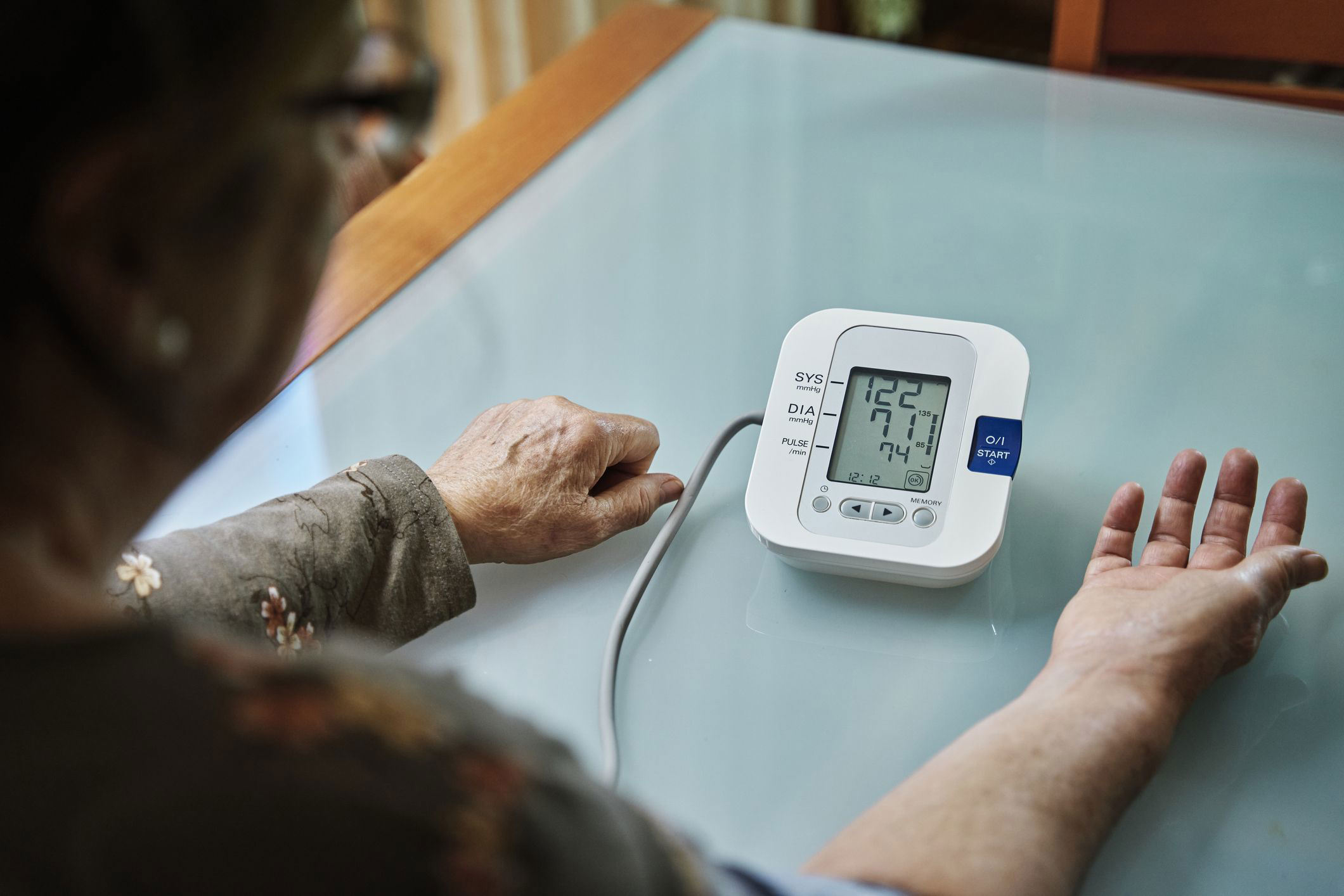
Monitoring your blood pressure at home is one of the best things you can do for your heart health. It helps you stay informed, detect early changes, and share accurate readings with your doctor. Whether you have hypertension, are at risk, or simply want to maintain a healthy lifestyle, learning how to check your blood pressure correctly can make a big difference.
In this article, we’ll explain everything you need to know about how to monitor blood pressure at home—including the right technique, tools, timing, and common mistakes to avoid.
Why Monitoring Blood Pressure at Home Matters
High blood pressure (hypertension) is often called the “silent killer” because it rarely shows clear symptoms until it’s already caused serious damage to your heart, kidneys, or brain. Regular monitoring at home allows you to:
- Track your blood pressure over time.
- Understand how lifestyle changes or medications are working.
- Detect sudden spikes or drops early.
- Reduce “white coat syndrome,” where blood pressure rises due to stress in a medical setting.
- Take control of your own health and make informed decisions.
Simply put, home monitoring empowers you to be proactive rather than reactive about your health.
Choosing the Right Blood Pressure Monitor
Before you begin, you need a reliable blood pressure monitor. There are different types available, but not all are accurate or easy to use.
1. Digital Arm Monitors (Automatic)
These are the most recommended for home use. They use an inflatable cuff on your upper arm and automatically display readings on a digital screen. Many are clinically validated for accuracy and come with memory storage.
2. Wrist Monitors
Wrist monitors can be useful for people who find upper arm cuffs uncomfortable, but they tend to be more sensitive to body position. To ensure accuracy, your wrist must be at heart level during measurement.
3. Manual Monitors
Manual (aneroid) monitors require a stethoscope and some training to use correctly. These are typically used by healthcare professionals rather than at home.
When buying a monitor, look for:
- Cuff size that fits your arm correctly.
- Automatic inflation and large, easy-to-read display.
- Validation by medical authorities such as the American Heart Association (AHA) or British Hypertension Society (BHS).
Step-by-Step Guide: How to Measure Blood Pressure at Home
Here’s a simple, step-by-step way to measure your blood pressure accurately at home.
Step 1: Prepare Yourself
Before checking your blood pressure:
- Avoid caffeine, smoking, or exercise for at least 30 minutes.
- Empty your bladder.
- Sit quietly for 5 minutes before the test.
- Stay calm and relaxed — stress can temporarily raise your reading.
Step 2: Sit in the Right Position
- Sit on a chair with your back straight and supported.
- Keep your feet flat on the floor (don’t cross your legs).
- Rest your arm on a flat surface at heart level.
- The cuff should be placed on bare skin, not over clothing.
Step 3: Apply the Cuff Correctly
- Wrap the cuff around your upper arm about one inch above your elbow crease.
- Make sure it’s snug but not too tight (you should fit two fingers under it).
Step 4: Start the Monitor
- Press the start button and remain still and silent as the cuff inflates and deflates automatically.
- Wait for the final reading to appear on the screen. It will show two numbers:
- Systolic pressure (upper number): pressure when the heart beats.
- Diastolic pressure (lower number): pressure when the heart rests between beats.
- Systolic pressure (upper number): pressure when the heart beats.
Example: 120/80 mmHg (read as “120 over 80”).
Step 5: Record Your Readings
Keep a log of your readings, noting:
- Date and time
- Systolic and diastolic values
- Any notes (such as how you were feeling or what you were doing before measurement)
Many monitors can store readings automatically, or you can use a smartphone app or paper journal.
Best Times to Check Your Blood Pressure
The timing of your measurement can affect your results. To get consistent and meaningful readings:
- Check twice a day: once in the morning (before eating or taking medication) and once in the evening (before dinner).
- Take two readings each time, one minute apart, and record both.
- Avoid checking repeatedly: excessive testing can create anxiety and inconsistent results.
If you’re starting new medication or making lifestyle changes, track your readings daily for 1–2 weeks, then follow your doctor’s advice on long-term monitoring.
Understanding Your Blood Pressure Numbers
Here’s how to interpret your readings (as per the American Heart Association guidelines):
| Category | Systolic (mmHg) | Diastolic (mmHg) |
| Normal | Less than 120 | Less than 80 |
| Elevated | 120–129 | Less than 80 |
| Hypertension (Stage 1) | 130–139 | 80–89 |
| Hypertension (Stage 2) | 140 or higher | 90 or higher |
| Hypertensive Crisis | Higher than 180 | Higher than 120 |
If your reading is consistently high, consult your healthcare provider. If you ever record a reading above 180/120 mmHg, rest for a few minutes and retest. If it stays that high, seek emergency medical help immediately.
Common Mistakes to Avoid
Even a small error can affect your blood pressure reading. Avoid these common mistakes:
- Measuring over clothing.
- Using the wrong cuff size.
- Talking or moving during the reading.
- Taking readings right after smoking, drinking coffee, or exercising.
- Sitting with crossed legs or unsupported back/arms.
- Ignoring multiple readings — one measurement alone isn’t enough.
Consistency and proper technique are the keys to reliable results.
How to Share Results with Your Doctor
Your doctor will appreciate if you keep an organized blood pressure log. Bring your monitor or readings to your appointment. This helps your doctor:
- Adjust your medication if needed.
- Understand how your blood pressure behaves throughout the day.
- Rule out “white coat hypertension.”
If your monitor allows, print or email your readings directly from the device or app.
Lifestyle Tips to Support Healthy Blood Pressure
Monitoring your blood pressure is only half the battle. You can help manage or lower your readings naturally by adopting healthy habits such as:
- Eat a balanced diet: Focus on fruits, vegetables, whole grains, lean proteins, and low-sodium foods.
- Limit salt intake: Choose fresh foods and avoid processed meals.
- Stay active: Aim for 30 minutes of moderate exercise most days.
- Maintain a healthy weight: Even a small weight loss can make a difference.
- Manage stress: Try deep breathing, meditation, or yoga.
- Avoid excessive alcohol and quit smoking.
Conclusion
Learning how to monitor blood pressure at home gives you control over your health. With the right monitor, correct technique, and consistent routine, you can track your progress and work closely with your doctor to maintain a healthy heart.
Remember, blood pressure monitoring isn’t just for those with hypertension — it’s a simple habit that benefits everyone. A few minutes a day can make a lifetime of difference.
Frequently Asked Questions (FAQs)
1. How often should I check my blood pressure at home?
If your doctor recommends regular monitoring, take readings twice a day (morning and evening) for at least a week, then weekly or as advised.
2. Can stress or anxiety affect my readings?
Yes. Stress, anxiety, or even rushing before a test can raise your blood pressure temporarily. Try to relax for 5 minutes before measuring.
3. What’s the best type of blood pressure monitor for home use?
An automatic digital arm monitor that’s clinically validated and fits your arm size properly is the most accurate and user-friendly option.
4. What should I do if my readings are high?
Don’t panic. Rest for a few minutes and retake the reading. If it stays above 140/90 regularly, contact your healthcare provider. If it’s above 180/120, seek immediate medical help.
5. Do I need to bring my monitor to the doctor’s office?
Yes, it’s a good idea. Your doctor can check the accuracy of your device and ensure you’re using it correctly.
About the author : Richard