Food allergies have become more common than ever before. From children to adults, millions of people around the world experience allergic reactions to certain foods — sometimes mild, other times severe. Knowing which foods are most likely to cause allergies can help you avoid discomfort, stay safe, and make healthier choices.
In this article, we’ll explore what food allergies are, which foods trigger them most often, how to recognize symptoms, and what you can do to manage or prevent reactions naturally.
What Are Food Allergies?
A food allergy occurs when your immune system mistakenly identifies certain proteins in food as harmful. When this happens, the body releases chemicals like histamine, which lead to symptoms such as itching, swelling, rashes, or even life-threatening conditions like anaphylaxis.
Food allergies are different from food intolerances. Intolerance often affects digestion (like lactose intolerance), while allergies involve the immune system and can be more dangerous.
Common Symptoms of Food Allergies
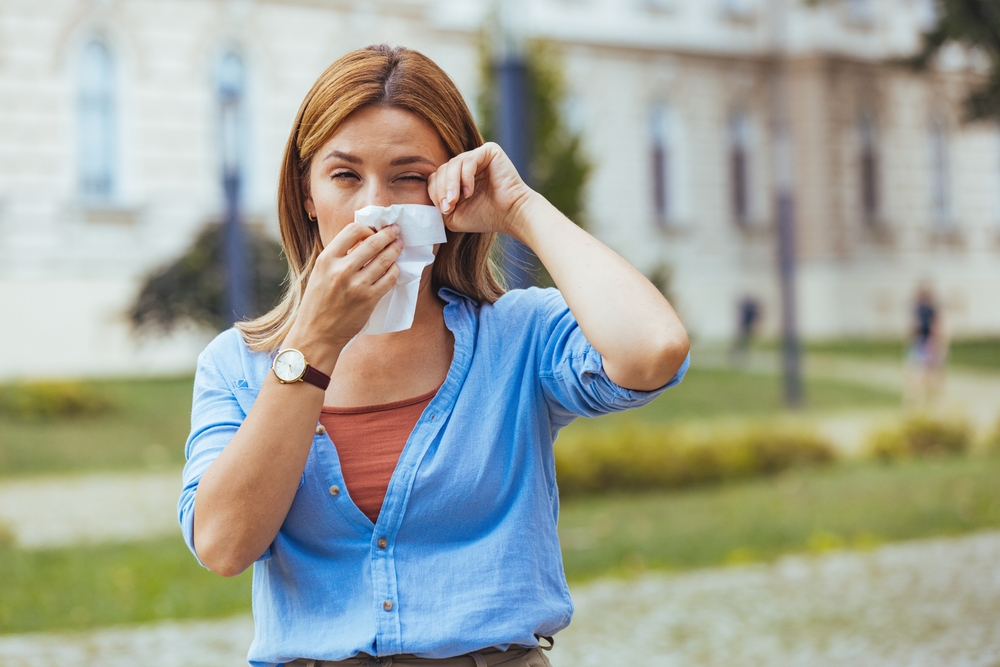
Symptoms vary depending on the person and the type of allergy, but they can range from mild to severe. Some common signs include:
- Itchy or swollen lips, tongue, or throat
- Hives or skin rashes
- Abdominal pain, nausea, or vomiting
- Runny nose or watery eyes
- Difficulty breathing or wheezing
- Dizziness or fainting in severe cases
If you experience these symptoms after eating certain foods, it’s important to speak with a doctor or allergist.
Top Foods That Commonly Trigger Allergic Reactions
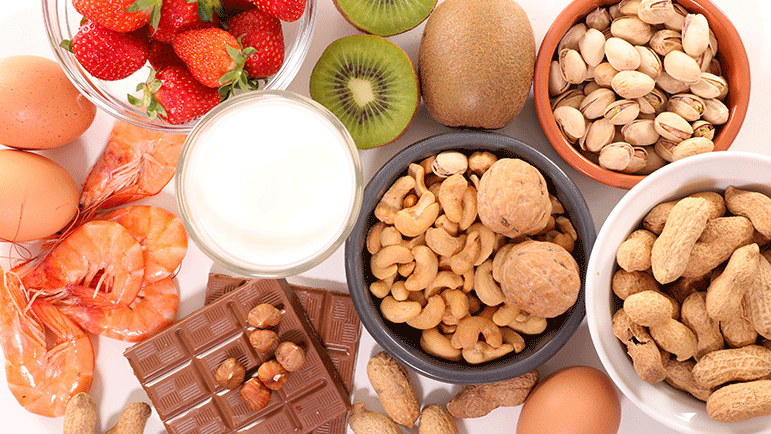
While almost any food can potentially cause an allergy, research shows that about 90% of food allergies are caused by a small group of foods known as the “Big Eight” allergens. Let’s take a closer look at them.
1. Milk
Cow’s milk allergy is most common in infants and young children, though some may outgrow it with age. It’s caused by the body’s reaction to proteins like casein and whey.
Symptoms may include skin rashes, stomach cramps, vomiting, or in severe cases, anaphylaxis.
Tip: Always check food labels for ingredients like “milk solids,” “whey,” or “casein.” Non-dairy alternatives like almond milk, oat milk, or coconut milk can be safer choices.
2. Eggs
Egg allergies are also common in children but can occur at any age. The allergy usually comes from proteins in the egg whites, though some people react to yolks too.
Symptoms: Hives, nasal congestion, stomach upset, and in rare cases, severe respiratory reactions.
Avoid: Foods like mayonnaise, baked goods, pancakes, and certain vaccines may contain egg proteins.
Substitute: Try flaxseed or chia seed “eggs” when baking — they’re allergy-friendly and healthy!
3. Peanuts
Peanut allergies are among the most serious and can cause anaphylaxis — a life-threatening reaction that requires immediate medical attention. Even trace amounts of peanuts can trigger symptoms in sensitive individuals.
Common symptoms: Skin reactions, throat swelling, and breathing difficulties.
Hidden sources: Candy, sauces, and baked goods.
Tip: Always read labels carefully and inform restaurants about your allergy before ordering.
4. Tree Nuts
This group includes almonds, walnuts, pistachios, cashews, hazelnuts, and pecans. Tree nut allergies are often lifelong and can lead to severe reactions similar to peanut allergies.
Avoid: Nut butters, mixed nuts, desserts, or even certain non-food items like lotions containing nut oils.
Alternative: Seeds like sunflower or pumpkin seeds can provide similar nutrients without the risk.
5. Shellfish
Shellfish allergies are very common in adults. They include two types:
- Crustaceans (shrimp, crab, lobster)
- Mollusks (clams, oysters, squid)
Symptoms: Hives, nausea, breathing problems, or swelling of the lips and throat.
Tip: Avoid cross-contamination, as even cooking utensils that touched shellfish can trigger reactions.
6. Fish
Fish allergies are different from shellfish allergies. Many people allergic to one type of fish (like salmon) react to others too.
Symptoms: Skin irritation, stomach pain, or anaphylaxis.
Hidden sources: Some sauces, dressings, or supplements may contain fish oil.
Tip: Always check food ingredient lists carefully when dining out.
7. Wheat
Wheat allergies are often confused with gluten sensitivity or celiac disease, but they’re not the same. A wheat allergy triggers an immune response to proteins like albumin, globulin, and gliadin found in wheat.
Symptoms: Hives, swelling, difficulty breathing, or digestive issues.
Avoid: Bread, pasta, cereals, and processed foods containing wheat flour.
Substitute: Try gluten-free grains like rice, quinoa, and oats.
8. Soy
Soy is found in many processed foods, making it tricky to avoid. It’s a common allergen, especially in children, though many outgrow it later.
Symptoms: Hives, itching, or stomach upset.
Hidden sources: Soy sauce, tofu, soy milk, and even protein bars.
Alternative: Coconut aminos or sunflower butter can replace soy-based products in recipes.
Other Foods That Can Trigger Allergies
While the “Big Eight” cause most food allergies, some other foods can also lead to reactions, such as:
- Sesame seeds (increasingly common allergen)
- Corn (especially in processed foods)
- Mustard (often in dressings and sauces)
- Fruits like kiwi, bananas, and avocados (due to latex cross-reactivity)
Why Do Food Allergies Happen?
The exact cause isn’t always clear, but several factors can play a role:
- Genetics – If allergies run in your family, you’re more likely to develop one.
- Immune system imbalance – Overactive immune responses can mistake harmless proteins for threats.
- Early exposure – Introducing certain foods too early or too late in infancy might affect sensitivity.
- Environmental changes – Pollution, diet, and modern lifestyles may contribute to rising allergy rates.
How to Manage Food Allergies
Living with food allergies requires careful planning, but it’s completely manageable. Here are a few practical steps:
- Read food labels every time you buy packaged products.
- Avoid cross-contamination by using separate utensils and cooking areas.
- Inform restaurants about your allergies before ordering meals.
- Carry antihistamines or an epinephrine auto-injector (EpiPen) if prescribed.
- Consult an allergist for testing and personalized advice.
You can also strengthen your immune system naturally through a balanced diet, hydration, and stress management.
Natural Ways to Support Allergy Prevention
While you can’t always prevent allergies, these natural strategies may help reduce inflammation and strengthen your body’s defenses:
- Eat anti-inflammatory foods like turmeric, ginger, and omega-3-rich fish (if tolerated).
- Boost gut health with probiotics from yogurt, kefir, or fermented foods.
- Maintain vitamin D levels, as deficiencies are linked to allergies.
- Stay hydrated to support your body’s detox process.
When to See a Doctor
If you experience symptoms like difficulty breathing, throat swelling, or dizziness after eating, seek immediate medical help. Mild symptoms that happen frequently should also be discussed with a healthcare professional — they can recommend tests like skin-prick or blood tests to confirm your allergies.
Conclusion
Food allergies can affect anyone, but knowing the most common trigger foods helps you stay safe and confident about your diet. Whether it’s milk, peanuts, or shellfish, identifying your triggers and learning to manage them is key to living a healthy, allergy-safe life. Always stay informed, read labels, and keep communication open with your doctor or dietitian.
5 Frequently Asked Questions (FAQs)
1. Can food allergies develop later in life?
Yes, adults can develop new allergies even if they’ve eaten a food safely for years. Environmental and immune changes can trigger new sensitivities.
2. Are food allergies the same as food intolerances?
No. Allergies involve the immune system and can be dangerous, while intolerances affect digestion and are usually less severe.
3. How can I confirm if I have a food allergy?
An allergist can perform skin-prick tests or blood tests to identify specific allergens accurately.
4. Can cooking or heating food remove allergens?
Not always. Some allergens, like those in peanuts or shellfish, remain active even after cooking.
5. What should I do if someone has a severe allergic reaction?
Call emergency services immediately and use an EpiPen if available. Do not delay treatment, as anaphylaxis can be life-threatening.
About the author : Richard