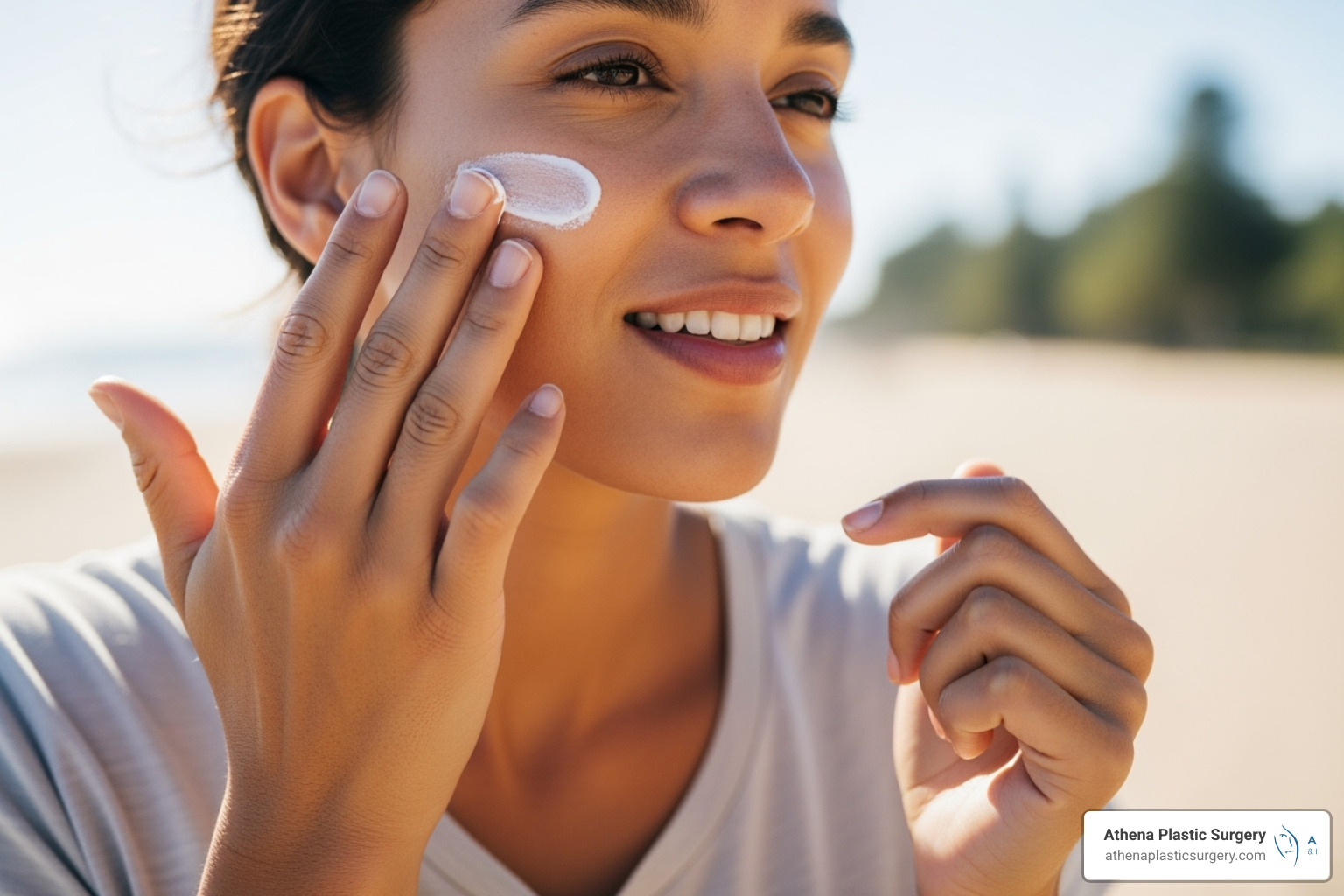
A well-structured skin care routine can play a central role in daily management for those living with dermatitis. This is the name for skin conditions marked by inflammation and irritation. With diverse causes and symptom patterns, dermatitis often demands a tailored approach focused on maintaining the skin’s barrier and minimizing exposure to known triggers.
What Is Dermatitis?
Dermatitis refers to a set of conditions that cause skin inflammation. The most common signs are redness, itching, dryness, and sometimes blistering, flaking, or oozing. These changes signal a weakened skin barrier, which normally acts as the body’s first line of defense against environmental irritants, allergens, and microbes. This compromise in barrier integrity leaves the skin more vulnerable to outside stressors. The form dermatitis takes often depends on the underlying type, individual sensitivities, and any relevant triggers. While not contagious, these conditions can cause discomfort and may disrupt daily routines.
What Are the Types?
Understanding the specific type of dermatitis is the first step in supporting skin health. Often called eczema, atopic dermatitis features chronic, relapsing patches of dry, itchy, and inflamed skin. Flares occur with exposure to irritants or can follow sweating. Individuals often have a family or personal history of asthma or allergies.
Contact Dermatitis
Contact dermatitis develops when the skin reacts after coming in direct contact with a triggering substance. Irritant contact dermatitis results when the skin’s surface is repeatedly challenged by soaps, detergents, or frequent hand-washing, causing direct damage to the barrier. Allergic contact dermatitis is caused by an immune reaction to allergens such as certain preservatives, fragrances in cosmetics, or plants like poison ivy.
Seborrheic Dermatitis
This chronic condition leads to greasy, scaling patches and is most commonly found on the scalp. Though the exact cause is not fully defined, factors such as increased oil production and the presence of certain yeast species on the skin may contribute to symptoms. Seborrheic dermatitis is often called cradle cap in infants.
How Does Skin Care Address It?
Personalized skin care routines offer a structured, supportive approach to the daily management of dermatitis. Focusing on restoration of the skin barrier, symptom relief, and avoidance of aggravating factors is key. Use mild, soap-free cleansers that are free of fragrances and dyes. Cleansing with lukewarm water is advisable, as hot water may worsen dryness and irritation. After cleansing, gently pat the skin dry with a soft towel rather than rubbing.
Moisturizing Skin
Apply moisturizers as part of a daily skin care routine, ideally within minutes after bathing, to help trap moisture. Creams and ointments can help rebuild the skin’s natural defenses if they have undergone damage. Ointment formulations often provide longer-lasting protection for very dry or sensitive skin.
Identifying Triggers
Recognition of personal triggers is an effective measure in long-term care. For some, minimizing exposure to household cleaning products or harsh soaps may help. Patch testing by a medical professional can narrow down the specific allergens responsible for symptoms in those with allergic contact dermatitis.
Speak With a Medical Practitioner
Managing dermatitis successfully is a process that benefits from expert support. Dermatologists can diagnose the exact form of dermatitis and provide guidance tailored to individual needs. They may recommend prescription treatments. While a consistent routine with gentle cleansing and moisturizing can help support skin health, a medical practitioner provides the most reliable advice, especially when symptoms persist, worsen, or limit daily activities.
About the author : Richard