Gynecology is a key component of preventive health care for women, providing opportunities to address reproductive health, detect potential issues early, and track changes over time. These screenings evolve with age and life stages, tailoring care to individual needs and risk factors. They include evaluations for cancer, infections, and reproductive function; they provide data that guides ongoing medical care. As women age, structured screening schedules help identify conditions before they progress and support long-term management strategies.
Adolescence and Early Adulthood
The first gynecological visit typically occurs during adolescence or early adulthood, often between ages 13 and 15. This visit focuses on education, menstrual health, contraception, and sexual health. While pelvic exams are not always required at this stage, discussions about family history and lifestyle factors create a baseline health profile. Gynecology is helpful for overall health in many.
For women aged 21 and older, cervical cancer screening becomes the primary focus. Pap tests, performed every three years, detect abnormal cervical cells. For those aged 30 to 65, co-testing with Pap and HPV tests every five years identifies early cellular changes. These screenings detect early signs of cervical cancer and determine the need for further evaluation. Although recommendations vary slightly based on risk, clinicians follow structured guidelines to schedule these tests and adjust follow-up based on findings.
Reproductive Years and Gynecology
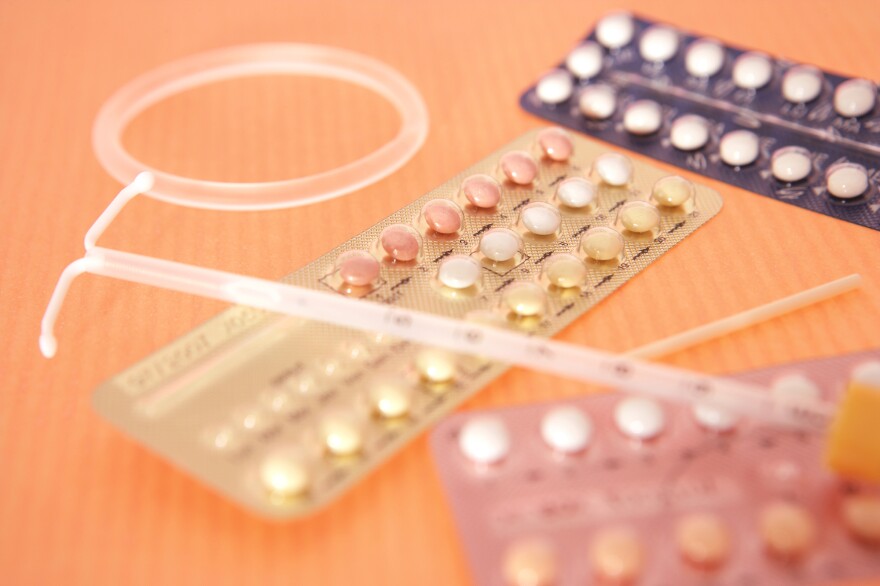
During the reproductive years, gynecological care expands to include family planning, fertility assessments, and pregnancy-related services. Discussions about a reproductive life plan align medical care with current and future goals. Contraceptive counseling considers individual preferences and health factors, offering options from hormonal methods to long-acting reversible contraceptives. Clinicians review changes in reproductive function over time and document patient responses to ongoing treatment.
Annual well-woman visits during this period provide broader preventive screening. These visits include breast exams, pelvic exams when indicated, and tests for sexually transmitted infections. Clinicians also discuss lifestyle factors such as diet, exercise, and smoking habits, which affect reproductive outcomes. While each visit addresses multiple aspects of health, clinicians prioritize tests based on age, risk, and prior results, updating care plans accordingly.
Midlife and Menopause
As women approach menopause, gynecological care shifts to address hormonal changes and age-related conditions. Clinicians evaluate bone health, cardiovascular risk, and sexual function. Breast and cervical cancer screenings continue, with intervals adjusted according to individual risk factors. Although hormonal changes vary, clinicians monitor symptoms over time and recommend interventions when appropriate.
Postmenopausal women maintain regular well-woman visits to monitor conditions such as incontinence or pelvic organ prolapse. Preventive screenings for osteoporosis and other chronic conditions are scheduled based on risk factors. Clinicians review medical histories at each visit and update recommendations to address evolving health needs.
Find a Clinic
Gynecological screenings provide ongoing evaluation of reproductive and systemic health across all life stages. By following structured screening schedules and documenting findings, clinicians detect conditions early and guide appropriate interventions. Although screening protocols differ by age and risk, each visit contributes data that informs medical decisions, tracks changes over time, and supports long-term health management. Find a clinic in your area.
About the author : Richard