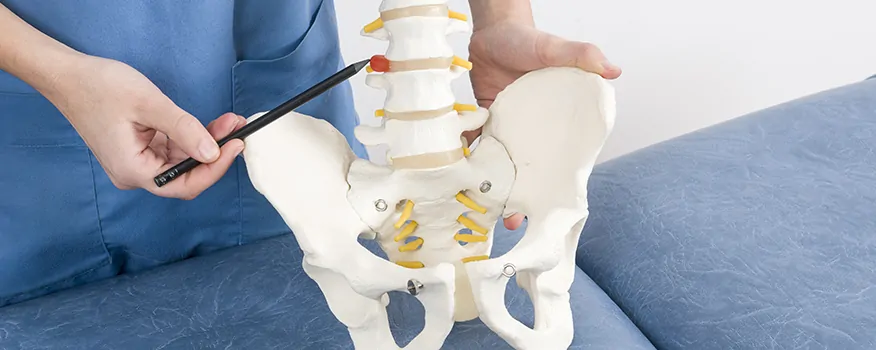
Follow-up appointments after disc surgery play a significant role in supporting recovery and monitoring long-term results. These visits allow providers to assess healing, address ongoing symptoms, and identify concerns before they become serious. Here is a closer look at the key benefits of follow-up appointments after disc replacement surgery:
Monitoring the Healing Process
Medical doctors use scheduled follow-up appointments to monitor your body’s response to the new artificial disc. After the surgical team finishes the disc surgery, your spine immediately begins a gradual healing phase. X-rays clearly show the exact position of the new hardware, and physical tests reveal how well your nerves function under pressure.
The surgical incision site requires careful inspection during these routine scheduled visits. If the medical staff notices surface redness or swelling, they can treat the affected area before a local infection spreads. Doctors physically examine the soft tissues located around the spine, and they make sure the muscles heal correctly without forming extra scar tissue.
Identifying Problems Early
Medical professionals systematically look for specific complications during your check-ups. Early clinical detection prevents minor issues from worsening, and routine scans highlight hidden hardware failures. When you attend your scheduled follow-up appointments after disc surgery, your doctor will check for the following potential problems:
- Hardware movement or artificial implant shifting.
- Signs of infection near the surgical site.
- Nerve compression caused by internal tissue swelling.
- Unexpected bone growth developing around the artificial disc.
Recognizing these specific conditions early allows for prompt medical treatment by your surgical team. Doctors can prescribe targeted medications to reduce internal swelling, or they can order advanced imaging tests like MRI scans.
Adjusting the Recovery Plan
A customized recovery timeline naturally varies for every individual patient. As your body gradually heals from the disc surgery, your doctor modifies your daily physical activity limits. You may start your initial recovery with a soft neck collar, but you will eventually transition to completely unsupported movement.
Targeted physical therapy plays a major role in comprehensive spine rehabilitation. When your surgeon sees measurable improvements in your range of motion, they will authorize new stretches and strengthening exercises. The medical team clears you for heavier lifting, and the physical therapist gradually increases the difficulty of your daily workouts.
Protecting Long-Term Spine Health
Long-term spine health requires ongoing physical maintenance. Disc surgery directly addresses the immediate issue, but daily lifestyle habits dictate the long-term clinical outcome. Your doctor will provide the following guidance to protect your surrounding natural bones:
- Maintain a healthy body weight to reduce total spinal load.
- Practice proper posture at your standard desk or workstation.
- Engage in light aerobic activities like swimming or daily walking.
- Avoid repetitive twisting motions that severely strain the lower back.
These daily practices can actively keep the rest of your natural spine strong.
Learn More About Disc Surgery
Routine follow-up visits are a fundamental part of your ongoing medical process. After undergoing initial disc surgery, these routine diagnostic checks verify that the surgical implant works correctly. Doctors monitor your healing progress closely, and they adjust your physical therapy plan accordingly. Contact a qualified neurosurgeon near you to book your disc replacement surgery appointment today.
About the author : Richard