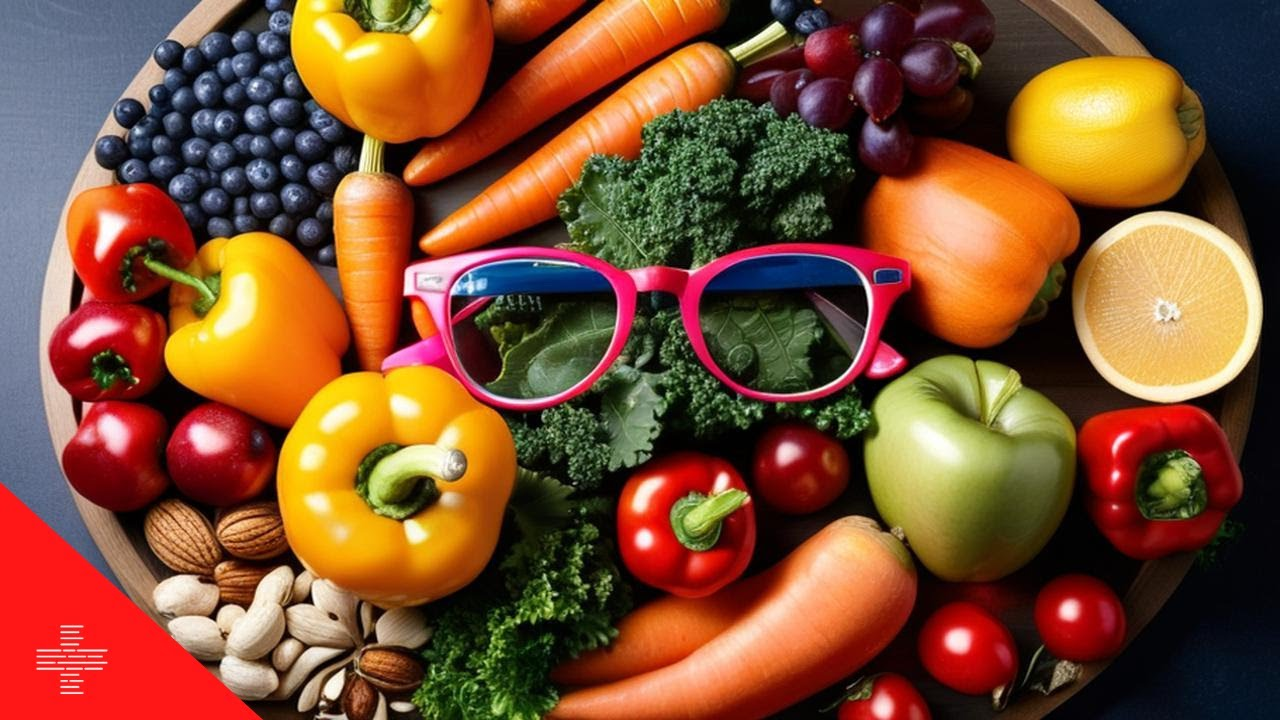
Your eyes are among the most important organs in your body — they help you see, experience beauty, and connect with the world around you. But like any part of the body, your eyes need proper nourishment to function at their best. While age, genetics, and screen time can affect your eyesight, the food you eat also plays a huge role in maintaining healthy vision.
If you’ve ever wondered which foods can actually improve vision naturally, you’re in the right place. Let’s explore the best eye-friendly foods, what nutrients make them powerful, and how you can include them in your diet to keep your vision sharp for years to come.
👁️ Why Nutrition Matters for Eye Health
Your eyes require a mix of vitamins, antioxidants, and minerals to protect against damage caused by light, aging, and oxidative stress. These nutrients help maintain the retina, prevent dryness, and reduce the risk of eye diseases like cataracts, glaucoma, and macular degeneration.
A diet lacking in essential nutrients can lead to problems such as blurred vision, dry eyes, or night blindness. The good news? Adding nutrient-rich foods to your daily meals can strengthen your eyes and even slow down vision decline naturally.
🥬 1. Leafy Green Vegetables
Leafy greens like spinach, kale, and collard greens are loaded with two key antioxidants — lutein and zeaxanthin. These compounds help protect the eyes from harmful high-energy light waves like ultraviolet rays.
They also reduce your risk of developing age-related macular degeneration (AMD), a leading cause of vision loss in older adults.
Pro Tip: Add spinach to your omelets or smoothies, or make a fresh kale salad with olive oil and lemon juice for a delicious, eye-boosting meal.
🥕 2. Carrots
Carrots are probably the most famous food for vision — and for good reason. They’re rich in beta-carotene, a type of vitamin A that helps your retina function properly.
Vitamin A deficiency can lead to night blindness and dry eyes. By eating carrots regularly, you can help keep your eyes lubricated and your vision clear.
Try this: Snack on raw carrot sticks, add shredded carrots to salads, or make a warm bowl of carrot soup.
🐟 3. Fatty Fish
Fish like salmon, tuna, mackerel, and sardines are high in omega-3 fatty acids, which are vital for maintaining eye health. Omega-3s protect the retina, reduce dry eyes, and may even prevent age-related vision loss.
In fact, studies show that people who consume enough omega-3s have a lower risk of developing macular degeneration.
Tip: Aim for two servings of fatty fish each week. If you’re vegetarian, flaxseeds, chia seeds, or walnuts are great plant-based alternatives.
🥚 4. Eggs
Eggs are a wonderful source of vitamin A, lutein, zinc, and zeaxanthin — all essential for good eyesight. Zinc helps your eyes process light efficiently, while lutein and zeaxanthin protect the macula (the part of the retina responsible for central vision).
The yolk is especially beneficial, so don’t skip it!
Eat this: Start your day with scrambled eggs and spinach for a perfect vision-friendly breakfast.
🧡 5. Sweet Potatoes
Like carrots, sweet potatoes are rich in beta-carotene, which converts to vitamin A in the body. This helps prevent dry eyes, improve night vision, and boost overall eye health.
They’re also packed with vitamin E, an antioxidant that protects eye cells from damage caused by free radicals.
Serving idea: Bake or roast sweet potatoes with olive oil and herbs for a delicious, healthy side dish.
🫐 6. Blueberries and Other Berries
Blueberries, strawberries, and blackberries are full of antioxidants like vitamin C and anthocyanins, which protect the eyes from oxidative stress.
Blueberries may also help improve night vision and reduce eye fatigue, making them perfect for people who spend long hours looking at screens.
Snack smart: Add a handful of fresh blueberries to your yogurt, oatmeal, or smoothie for a tasty eye-loving treat.
🥦 7. Broccoli and Brussels Sprouts
Broccoli and Brussels sprouts are loaded with vitamin C, lutein, and zeaxanthin, which support the health of your retina and lens.
Vitamin C helps maintain the structure of the cornea and protects against cataracts.
Easy idea: Steam or roast them lightly to retain their nutrients and add a squeeze of lemon for flavor.
🥑 8. Avocados
Avocados are another great source of lutein, zeaxanthin, and vitamin E, which work together to protect your eyes from oxidative damage.
They also contain healthy fats that help your body absorb fat-soluble vitamins (like vitamin A and E), making other eye-healthy foods even more effective.
Pro tip: Spread avocado on whole-grain toast or add slices to salads and tacos for an eye-nourishing meal.
🍊 9. Citrus Fruits
Oranges, lemons, and grapefruits are rich in vitamin C, one of the best antioxidants for eye health.
Vitamin C strengthens the blood vessels in the eyes and reduces the risk of cataracts and age-related macular degeneration.
Daily dose: Enjoy a glass of freshly squeezed orange juice or snack on a few orange slices every morning.
🌰 10. Nuts and Seeds
Almonds, walnuts, chia seeds, and sunflower seeds are packed with vitamin E and omega-3 fatty acids. These nutrients help protect eye cells from oxidative damage and prevent dryness and inflammation.
Snack idea: Eat a small handful of mixed nuts or add seeds to your yogurt, cereal, or smoothie bowls.
🧄 11. Garlic and Onions
Garlic and onions may not directly sharpen your vision, but they help improve blood circulation and contain sulfur, which supports the production of glutathione — a key antioxidant for the lens of the eye.
Including them in your daily diet helps your eyes stay healthy and resilient.
🧃 How to Include These Foods in Your Daily Life
You don’t need to overhaul your entire diet overnight. Instead, focus on balance and variety. Here are a few quick tips:
- Add a side salad with spinach or kale to your lunch.
- Eat fish twice a week.
- Snack on nuts or berries instead of chips.
- Choose colorful veggies — orange, green, and purple foods are usually rich in eye-protective nutrients.
- Stay hydrated and limit sugary or processed foods that can harm your eyes over time.
🩺 Final Thoughts
Your eyes are precious, and caring for them through food is one of the simplest and most natural ways to maintain lifelong vision. By regularly eating foods rich in vitamin A, C, E, zinc, lutein, and omega-3s, you can protect your vision, reduce the risk of eye diseases, and keep your eyesight strong as you age.
Remember — eye health isn’t just about glasses or screen breaks; it starts right on your plate.
🙋♀️ FAQs About Foods That Improve Vision
1. Can food really improve vision?
Yes, certain foods provide nutrients that protect and strengthen your eyes. While food can’t reverse severe vision problems, it can help prevent damage and slow down age-related decline.
2. How long does it take to see results from eating eye-healthy foods?
It depends on your diet and overall health. Consistent intake of eye-friendly foods over several weeks or months can improve dryness, fatigue, and overall eye comfort.
3. What vitamins are most important for eyesight?
Vitamins A, C, E, and minerals like zinc and omega-3 fatty acids are essential for maintaining healthy vision.
4. Can I get these nutrients from supplements instead?
While supplements can help if you have deficiencies, getting nutrients from real foods is always more effective and beneficial for long-term health.
5. Are there any foods that harm vision?
Yes — highly processed foods, sugary snacks, and excessive alcohol can increase inflammation and oxidative stress, which may harm your eyes over time.
About the author : Richard