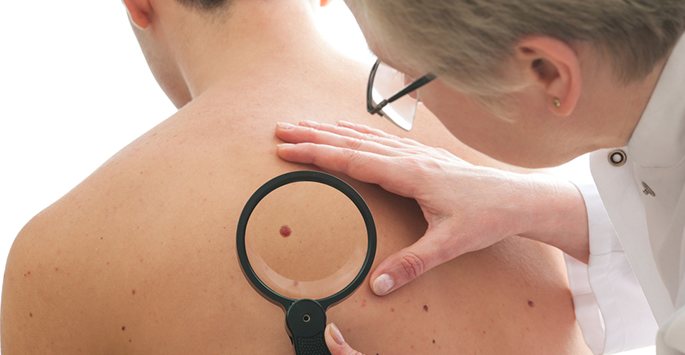
Dermatologists are medical doctors who specialize in treating various serious skin health conditions, and they can screen you for cancer. Because they study complex skin patterns daily, they quickly recognize subtle changes on a patient’s body. These highly trained specialists use specific medical tools for skin evaluations during routine office visits. Here is more information on how dermatologists detect skin cancer early:
Regular Screenings
Patients schedule routine clinic appointments, and the doctor examines the entire body from head to toe. A full physical screening requires a very thorough visual check by a trained medical professional. While the doctor looks at your back, they may use a bright light to illuminate details. The medical provider inspects the scalp thoroughly, and an assistant may write down notes about unusual spots.
If a dark mark looks suspicious, the doctor measures the exact width with a small ruler. They document the location precisely, or they photograph the spot for future medical reference files. This detailed health record helps them track future skin changes over time. While some spots look normal initially, doctors monitor them closely for slow physical transformations.
Irregular Moles
A dermatologist can evaluate dark moles for very specific warning signs during a routine medical clinic visit. Doctors examine the outer borders carefully, and they check the dark colors of each spot. When they assess a completely new mark, they look for distinct physical traits on the skin. The staff reviews the surface, and they note these characteristics during the visual inspection:
- Asymmetrical mole shapes
- Uneven border edges
- Multiple mixed colors
- Large physical diameters
Dermal Biopsies
Before a medical doctor removes any skin tissue, they numb the area with a local anesthetic. The numbing medicine acts quickly on the targeted skin layer to prevent physical discomfort. The doctor typically cuts a small tissue piece out, and they apply a tight bandage to stop bleeding. After the procedure finishes, the patient goes home with daily wound care instructions.
The skin sample goes to a laboratory, and a medical specialist tests the tissue thoroughly. Because some labs use high-powered microscopes, trained technicians see the underlying cell structures. The technician looks for tiny abnormal cancer cells within the tissue sample. They typically prepare a detailed glass slide, and a pathologist reviews the microscopic details inside.
The medical testing laboratory may send a written report back to the main dermatology clinic. After the doctor reads the lab results carefully, they plan the next medical step. The physician reviews the paperwork thoroughly for any signs of malignant cellular growth. The test shows a negative result, or it confirms the clear presence of disease.
Early Detection
Small dark spots are typically easier to treat, and patient recovery takes less time overall. Prompt medical intervention aims to stop the spread of dangerous abnormal cells through the human body. The specific treatment targets a localized area, and the patient may recover from the procedure. When doctors find skin problems early, patients may avoid harsh surgical treatments for advanced medical conditions.
See a Dermatologist Today
As you monitor your own skin safely at home, note any new spots in a daily journal. A personal health log provides extremely useful information for your treating medical provider. Schedule your comprehensive skin examination with a fully trained medical specialist right away. You need regular routine checkups, so call a local dermatology clinic for an appointment today.
About the author : Richard