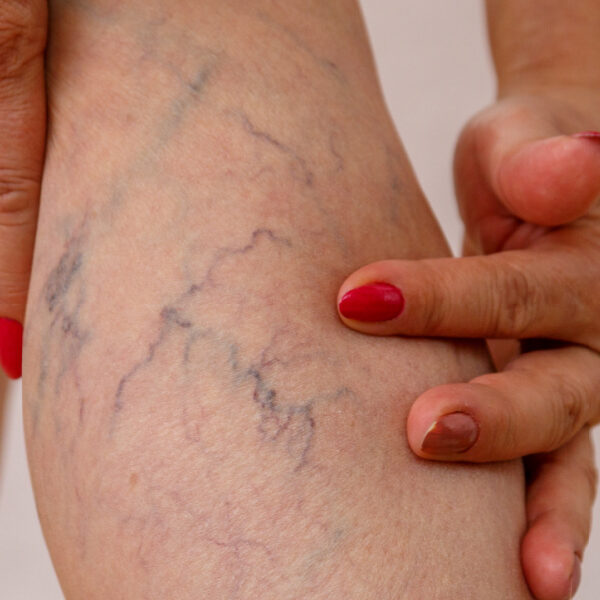
Spider veins are small, web-like blood vessels that become visible just beneath the surface of the skin. They typically appear red, purple, or blue and most commonly develop on the legs or face. Many people view these visible vessels as purely cosmetic, but understanding their connection to your broader vascular system is beneficial. Cardiology services help specialists evaluate these veins. A cardiology specialist can assess circulatory health, determine whether visible veins indicate underlying conditions, and provide guidance on maintaining optimal blood flow.
Why Do Spider Veins Form?
The cardiovascular system relies on a complex network of arteries and veins to circulate blood, delivering nutrients around the body. When this system experiences localized stress or structural changes, visible vascular anomalies can develop. Veins contain tiny, one-way valves that open to let blood flow toward the heart and close to prevent it from flowing backward. These valves can weaken or malfunction, causing blood to pool in the vessels.
This pooling increases pressure on the vessel walls, causing them to expand and branch into spider veins that are visible through the skin. Many factors contribute to structural weakening and spider vein development, including your:
- Genetics
- Age
- Hormonal Changes
- Activity Level
For many individuals, these small veins remain entirely asymptomatic. You might notice the visual changes on your skin without experiencing any physical discomfort.
When Are Veins Concerning?
Spider veins are usually harmless, but they occasionally cause mild aching or burning sensations in the legs. If you stand for extended periods, you may notice these physical sensations become more pronounced by the end of the day. Evaluating these symptoms helps specialists understand the extent of your vascular strain. When visiting a specialist, make a list of your concerns and symptoms to help you fully address them.
The health of your blood vessels is deeply connected to your heart function. Most spider veins do not pose a serious risk, but a cardiologist can assess you for any underlying vascular conditions. Spider veins are often a localized issue without broader health implications, but when they appear alongside other symptoms, you may need an assessment. By examining your circulation, medical professionals can determine if your cardiovascular system is functioning properly.
What Is Venous Insufficiency?
When the valves in the larger leg veins fail to function properly, the resulting pressure can cause the smaller vessels near the skin’s surface to dilate. This is known as venous insufficiency. Chronic venous insufficiency is a condition where the veins have difficulty sending blood from the limbs back to the heart. This insufficiency occurs when blood pools in the legs, and it can lead to swelling or skin changes over time. While spider veins themselves are a minor manifestation, they can sometimes serve as an early indicator that the deeper venous system is struggling to maintain efficient circulation.
Visit a Cardiology Clinic Today
If you notice vascular changes, particularly on your legs, you may benefit from a professional evaluation from a cardiologist. A specialist has the expertise to thoroughly assess your vascular system and discuss any necessary steps for your circulatory health. To schedule an appointment, contact a cardiology clinic near you.
About the author : Richard