Introduction
Every month, millions of women experience PMS (Premenstrual Syndrome) and menstrual cramps that can disrupt daily life. From mood swings and bloating to painful cramps, these symptoms can make anyone feel exhausted and irritable. While painkillers offer quick relief, many women are turning to natural remedies for PMS and cramps—gentle, effective solutions that work with the body instead of against it.
In this article, we’ll explore how natural treatments, herbs, foods, and lifestyle changes can help you manage PMS and menstrual pain effectively. By understanding your body and using natural approaches, you can make your monthly cycle more comfortable and balanced.
Understanding PMS and Menstrual Cramps
Before diving into remedies, it’s important to understand what causes PMS and cramps.
- PMS (Premenstrual Syndrome) refers to emotional and physical symptoms that appear one to two weeks before your period. These include mood swings, irritability, fatigue, headaches, bloating, and breast tenderness.
- Menstrual cramps (Dysmenorrhea) occur when the uterus contracts to shed its lining. These contractions are caused by prostaglandins, natural chemicals in the body. High levels of prostaglandins can lead to stronger, more painful cramps.
The good news is that nature offers plenty of ways to soothe cramps and balance hormones—without relying solely on medication.
1. Eat a Hormone-Balancing Diet
Your diet plays a huge role in how your body feels before and during your period. Certain foods can worsen PMS symptoms, while others can relieve them.
✅ Eat More of These:
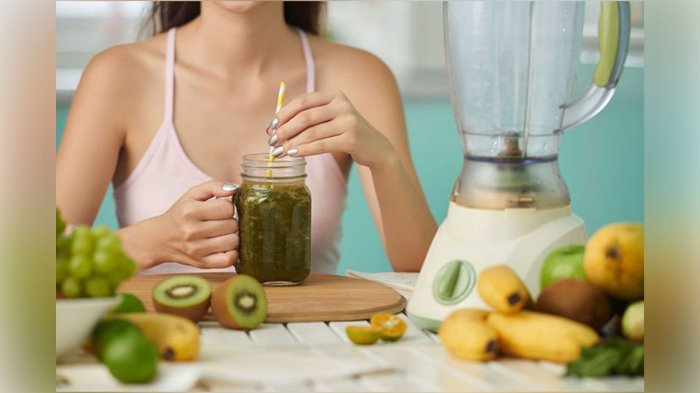
- Leafy greens (spinach, kale): High in magnesium, which helps relax muscles and reduce cramps.
- Bananas: Rich in potassium and vitamin B6—great for reducing bloating and mood swings.
- Salmon and flaxseeds: Contain omega-3 fatty acids that lower inflammation and ease menstrual pain.
- Nuts and seeds: Provide magnesium, healthy fats, and zinc to support hormone balance.
- Whole grains: Keep blood sugar steady and reduce fatigue.
🚫 Avoid These:
- Caffeine and sugary drinks: Can worsen anxiety and breast tenderness.
- Processed foods and refined carbs: Increase inflammation and bloating.
- Salty snacks: Lead to water retention and swelling.
A balanced, nutrient-rich diet not only helps your body handle PMS better but also reduces the intensity of cramps naturally.
2. Herbal Remedies That Work Wonders
Nature has long been a source of healing, and several herbs are known for their ability to relieve PMS and menstrual cramps.
🌿 Chamomile Tea:
Known for its calming effect, chamomile helps reduce uterine contractions and soothes the nervous system. A warm cup before bed can ease cramps and improve sleep quality.
🌿 Ginger:
One of the most powerful natural anti-inflammatories. Studies show that ginger can be as effective as some pain relievers for menstrual cramps. Drink ginger tea or add fresh ginger to your meals.
🌿 Cinnamon:
Cinnamon helps increase blood flow and has antispasmodic properties that reduce cramping. Sprinkle it on food or drink it as tea during your period.
🌿 Chasteberry (Vitex Agnus-Castus):
This herb helps regulate hormones and reduce PMS symptoms like irritability, mood swings, and breast tenderness.
🌿 Turmeric:
Curcumin, the active compound in turmeric, reduces inflammation and balances hormones. Adding turmeric milk or tea to your diet can make a noticeable difference.
3. Stay Active – Gentle Exercise Helps
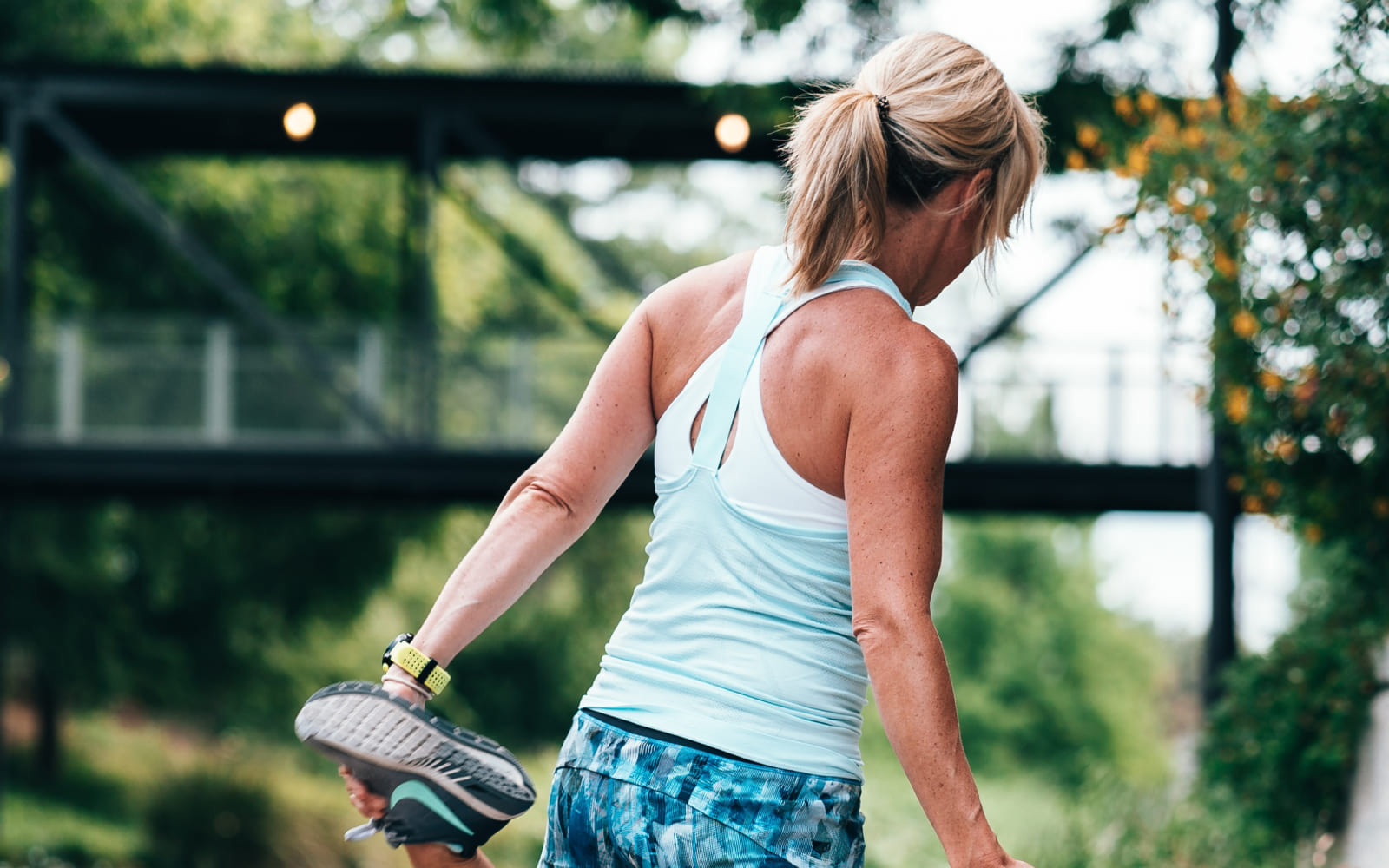
You might feel like curling up on the couch, but light movement can actually relieve cramps. Exercise increases blood flow and releases endorphins—your body’s natural painkillers.
Try these activities:
- Yoga: Relieves pelvic tension and promotes relaxation.
- Walking: Boosts circulation and eases bloating.
- Stretching: Loosens muscles and helps reduce pain intensity.
- Swimming or cycling: Gentle cardio improves mood and energy.
Just 20–30 minutes of activity daily can make a big difference in how your body handles PMS symptoms.
4. Heat Therapy for Instant Comfort
Heat is one of the simplest and most effective natural remedies for cramps. Applying warmth relaxes your uterine muscles, increases blood flow, and reduces pain.
You can use:
- A heating pad or hot water bottle on your lower abdomen.
- A warm bath with Epsom salt to ease muscle tension.
- Warm compresses for quick relief on the go.
Studies show that heat therapy can be just as effective as painkillers for menstrual cramps—and without any side effects.
5. Manage Stress and Sleep Well
Stress can make PMS worse by disrupting hormone balance. Poor sleep also increases cortisol (the stress hormone), which can intensify cramps and mood swings.
To relax your body and mind:
- Practice deep breathing or meditation.
- Get at least 7–8 hours of sleep per night.
- Limit screen time before bed.
- Try aromatherapy with lavender or clary sage oils for relaxation.
Reducing stress not only calms your mind but also helps regulate your menstrual cycle and hormone levels naturally.
6. Stay Hydrated
Dehydration can worsen bloating, fatigue, and cramps. Drinking enough water helps your body flush out excess sodium and reduces puffiness.
You can also drink herbal teas like peppermint or fennel to soothe the stomach and ease digestion during PMS. Aim for 8–10 glasses of water daily, and cut back on sugary or carbonated drinks.
7. Magnesium and Vitamin Supplements
Certain nutrients play a key role in easing PMS and cramps:
- Magnesium: Helps relax muscles and reduce tension.
- Vitamin B6: Supports mood regulation and reduces irritability.
- Calcium: Helps reduce bloating and mood swings.
- Vitamin E: Decreases prostaglandins and menstrual pain.
If your diet doesn’t provide enough of these, talk to a healthcare provider about natural supplements.
8. Track Your Cycle and Know Your Body
Keeping a menstrual diary or app can help you understand your body better. Record when symptoms appear, what you eat, how you feel, and what helps relieve pain. Over time, you’ll discover patterns and can plan self-care accordingly.
9. Limit Alcohol and Nicotine
Both alcohol and smoking can increase inflammation, worsen cramps, and affect hormone levels. Reducing or eliminating them—especially during your menstrual phase—can lead to lighter symptoms and improved overall health.
Conclusion
PMS and menstrual cramps are part of many women’s lives, but they don’t have to control yours. With simple, natural remedies—like herbal teas, nutrient-rich foods, gentle exercise, and proper rest—you can make your period days calmer, lighter, and more manageable.
Every woman’s body is unique, so experiment to find what works best for you. With consistency and care, these natural methods can help you feel stronger and more in tune with your body every month.
Frequently Asked Questions (FAQs)
1. Can natural remedies completely stop menstrual cramps?
Natural remedies may not eliminate cramps entirely, but they can significantly reduce their severity and frequency over time.
2. How long does it take for herbal remedies to work for PMS?
You may start noticing relief after a few cycles of consistent use. Herbal remedies often take time to balance hormones naturally.
3. Is it safe to take herbal supplements for PMS?
Yes, but always consult your doctor before starting new supplements—especially if you’re on medication or have health conditions.
4. Which foods should I avoid during PMS?
Limit caffeine, processed foods, salt, and sugar, as they can increase bloating, irritability, and cramps.
5. Does exercise really help with menstrual pain?
Absolutely. Gentle exercise like yoga or walking releases endorphins, improves blood flow, and helps relieve cramps naturally.
About the author : Richard