Losing weight is often one of the most common health goals for many people. However, with a flood of supplements and medications promising quick results, it can be hard to know what is safe and effective. While some weight loss products can help, others may be harmful. Understanding the difference between safe and unsafe options is crucial for long-term health.
Understanding Weight Loss
Before exploring supplements and medications, it’s important to understand how weight loss works. Weight loss occurs when you burn more calories than you consume. This can be achieved through a combination of:
- Healthy eating: Consuming nutrient-rich, low-calorie foods.
- Regular exercise: Increasing physical activity to burn calories.
- Behavior changes: Improving habits, like reducing sugar intake or managing portion sizes.
While diet and exercise are the foundation, some people consider supplements or medications to help accelerate weight loss, especially if they struggle to achieve results with lifestyle changes alone.
Safe Supplements for Weight Loss
Some dietary supplements have shown modest benefits for weight loss when used alongside a healthy diet and exercise. Here are some safe options:
1. Green Tea Extract
Green tea extract is rich in antioxidants called catechins, which may help boost metabolism and increase fat burning. Research shows it can aid in modest weight loss over time. Drinking green tea daily or taking standardized extracts can be safe for most adults.
2. Glucomannan
Glucomannan is a natural fiber extracted from the root of the konjac plant. It absorbs water in your stomach, helping you feel full and eat less. Studies suggest it can support weight loss when taken before meals and combined with a calorie-controlled diet.
3. Caffeine
Caffeine, found in coffee, tea, and some supplements, can increase metabolism and enhance fat burning temporarily. Moderate caffeine consumption is generally safe, but excessive intake may cause jitters, insomnia, or heart issues.
4. Protein Supplements
High-protein diets can help reduce appetite and promote fat loss while preserving muscle mass. Protein powders like whey, casein, or plant-based options can help meet daily protein needs, especially for those who struggle to get enough protein from food alone.
5. Probiotics
Certain probiotics, like Lactobacillus gasseri, may support weight loss by improving gut health and reducing fat accumulation. While results are modest, probiotics are generally safe and have additional benefits for digestion.
Safe Medications for Weight Loss
Prescription weight loss medications can be an option for individuals with obesity or weight-related health problems, but they should only be used under a doctor’s supervision. Here are some commonly prescribed options:
1. Orlistat (Alli, Xenical)
Orlistat works by blocking the absorption of some of the fat you eat, reducing calorie intake. It is effective for modest weight loss and can improve cholesterol levels. Side effects may include oily stools and digestive discomfort, but it is considered safe when used as directed.
2. GLP-1 Receptor Agonists (e.g., Semaglutide)
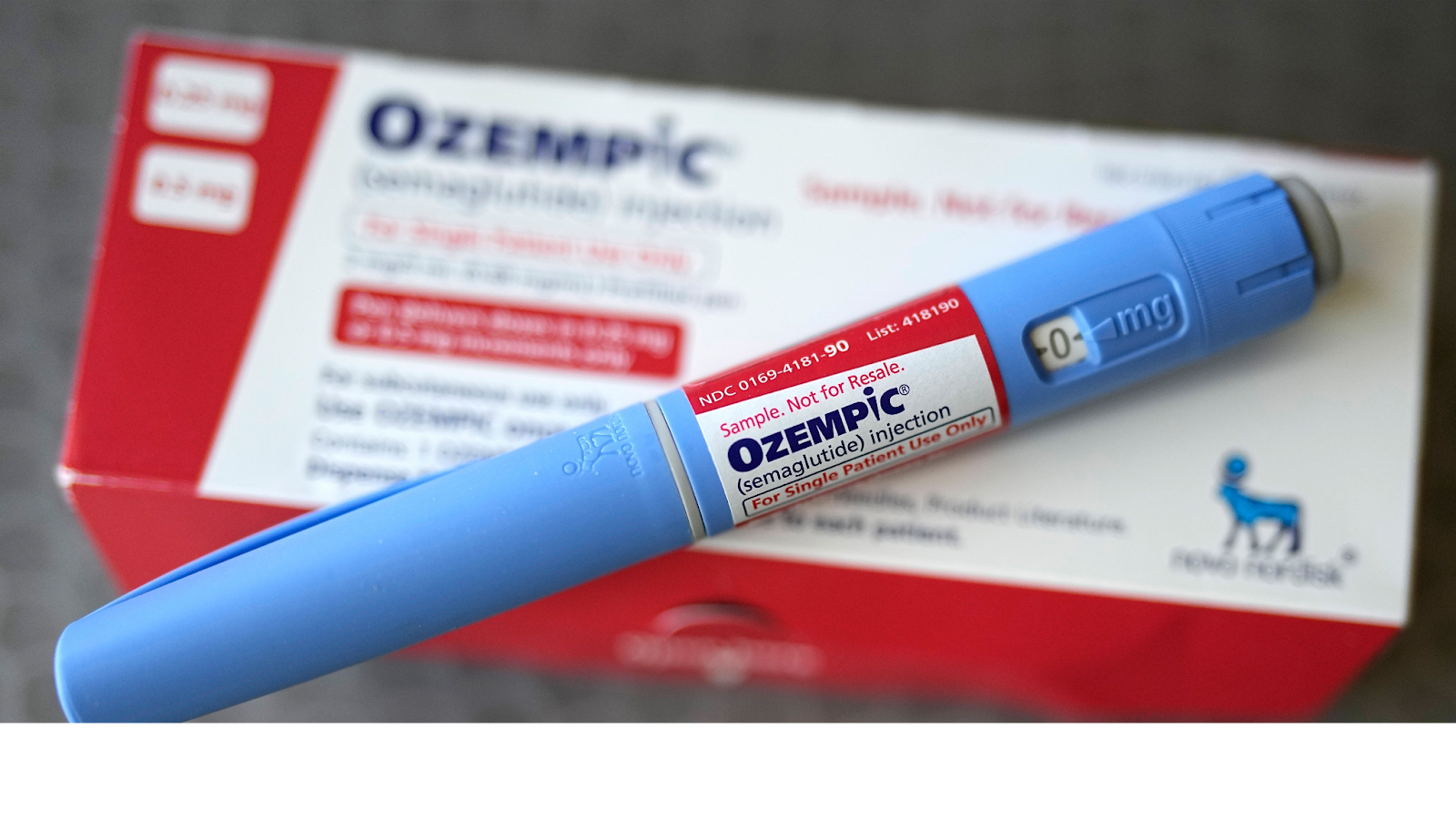
Medications like semaglutide mimic a gut hormone that reduces appetite and helps control blood sugar. They have shown significant weight loss results in clinical trials. Side effects may include nausea or digestive upset but are usually mild.
3. Phentermine
Phentermine is a stimulant that reduces appetite and is usually prescribed for short-term use. It can be effective but may increase heart rate and blood pressure, so it is not suitable for everyone.
4. Combination Medications
Some medications combine different mechanisms, such as appetite suppression and fat absorption, for more effective weight loss. These are usually prescribed for people with obesity and other risk factors like diabetes or high blood pressure.
How to Use Supplements and Medications Safely
While some supplements and medications are safe, misuse can be dangerous. Follow these tips:
- Consult a healthcare professional: Always talk to a doctor or registered dietitian before starting any supplement or medication.
- Check labels: Look for clinically tested ingredients and avoid products with unproven “miracle” claims.
- Follow instructions: Take the recommended dosage and timing to minimize side effects.
- Monitor your health: Watch for digestive issues, heart problems, or allergic reactions.
- Combine with lifestyle changes: Supplements and medications work best alongside healthy eating and regular exercise.
Natural Ways to Support Weight Loss
Even when using supplements or medications, natural approaches can enhance results:
- Eat more fiber: Foods like fruits, vegetables, and whole grains keep you full longer.
- Stay hydrated: Drinking water can reduce hunger and boost metabolism.
- Exercise regularly: Aim for a mix of cardio and strength training.
- Get enough sleep: Poor sleep can disrupt hormones that control hunger.
- Manage stress: Stress can trigger overeating or cravings for unhealthy foods.
Potential Risks
Not all weight loss products are safe. Some over-the-counter supplements may contain untested ingredients that can cause heart problems, liver damage, or digestive issues. Medications also have side effects and interactions with other drugs. Avoid any product that promises rapid weight loss without lifestyle changes, as these are often unsafe.
Conclusion
Weight loss can be challenging, and supplements or medications may provide support. However, safety and effectiveness should always come first. Safe supplements like green tea extract, glucomannan, caffeine, protein powders, and probiotics can help modestly when combined with healthy habits. Prescription medications like orlistat, GLP-1 receptor agonists, and phentermine may be appropriate for certain individuals under medical supervision.
Remember, the foundation of successful weight loss is a balanced diet, regular physical activity, and sustainable lifestyle changes. Supplements and medications are tools, not magic solutions. Using them safely and wisely can help you reach your weight goals while maintaining overall health.
FAQs
1. Are all weight loss supplements safe?
No, not all supplements are safe. Some may contain untested or harmful ingredients. Always check labels and consult a healthcare professional before use.
2. Can I rely on medications alone for weight loss?
Medications can help, but they are most effective when combined with a healthy diet, regular exercise, and lifestyle changes.
3. How long should I take weight loss supplements?
Duration depends on the supplement and your health goals. Follow product instructions and consult your doctor for long-term use.
4. Can natural remedies replace prescription weight loss medications?
Natural remedies like fiber, probiotics, and green tea can support weight loss but may not be enough for significant obesity-related issues. Prescription medications may be necessary for some individuals.
5. Are there side effects of safe weight loss medications?
Yes, even safe medications can cause side effects like digestive upset, nausea, or increased heart rate. Always discuss potential risks with a doctor.
About the author : Richard