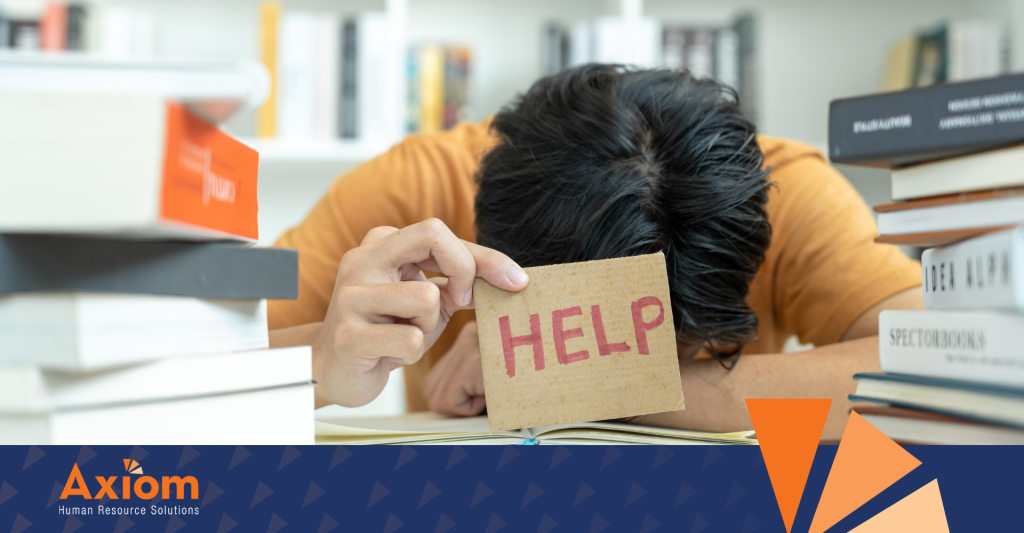
Anxiety can have a significant effect on workplace productivity and overall mental health, influencing focus, decision-making, communication, and daily performance. When left unaddressed, it may contribute to increased stress and difficulty maintaining a healthy work-life balance. Here are some of the key effects anxiety can have in the workplace and on mental health:
How Does Anxiety Show Up?
Employees demonstrate anxiety through observable behavioral changes during their regular tasks. Some workers frequently miss deadlines, whereas others isolate themselves from team discussions. An employee develops hesitation toward new projects; this hesitation limits their career progression and reduces the overall team capacity. Supervisors note these behavioral shifts so they can address the core issues.
Physical signs of restlessness appear during long collaborative sessions. Workers fidget with their supplies, or they pace around the office floor. Supervisors can document these occurrences to maintain an objective record of workplace conduct and to remove personal bias.
How Does It Affect Performance?
Anxiety often influences professional performance when it causes specific behavioral shifts. Here are ways it affects productivity and performance:
- Task completion delays: Workers require more time to complete assignments and request extensions.
- Decreased concentration: Cognitive overload interrupts focus, which leads to errors in routine documentation.
- Avoidance behaviors: Staff members skip routine meetings to avoid high-pressure situations.
- Communication breakdowns: Team members withhold feedback, creating bottlenecks in project workflows.
- Decision paralysis: Individuals struggle to finalize choices when they face multiple options with varying variables.
These productivity changes highlight a fundamental issue within the organizational structure.
What Are the Emotional Effects?
Prolonged anxiety creates sustained mental fatigue; individuals often report reduced sleep quality, which limits their cognitive recovery. A worker may struggle to regulate their mood during standard team collaborations. Personnel may withdraw from social interactions at work, and they exhibit signs of extreme exhaustion.
Burnout may become a prevalent outcome over the fiscal year. Professionals require adequate time to recover so they can function optimally. Without proper rest, cognitive decline may affect memory retention; workers forget standard operating procedures and struggle with new systems. Employers may provide detailed manuals for independent referencing.
How Can Recovery Be Supported?
Organizations should establish specific workplace adjustments, and they should also provide resources for immediate assistance. A clear recovery plan involves several key practices that maintain a balanced environment. Here are some of them:
- Flexible scheduling: Companies should offer remote options, which give employees control over their daily workspace.
- Clear communication: Managers should set precise expectations, and they should provide regular written feedback to reduce uncertainty.
- Resource access: Workplaces can provide details for professional assistance programs.
- Task delegation: Supervisors should distribute workloads evenly, and they should monitor individual capacities.
- Quiet zones: Facilities can designate specific areas where staff can retreat for brief periods.
Structured support systems can reduce absenteeism rates across departments.
Seek Support for Anxiety Today
Anxiety impacts task execution and general mental health in the workplace. Professionals implement helpful strategies to manage symptoms, and organizations modify their operational expectations. You should seek support for anxiety to navigate your professional experience, and medical experts provide structured guidance to address the root causes. Contact a qualified mental health specialist near you to book your anxiety appointment and get professional support today.
About the author : Richard