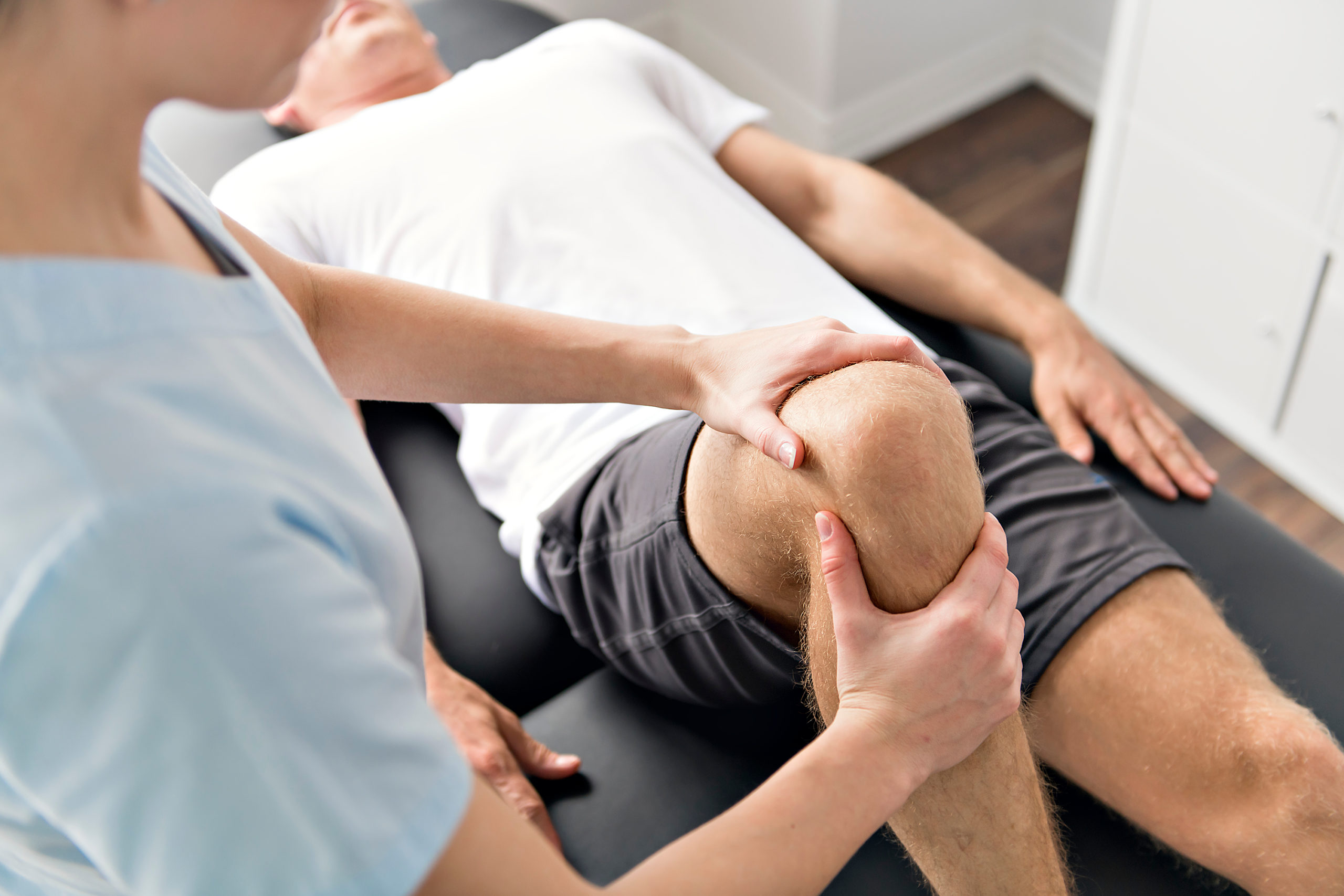
In our fast-paced, technology-driven world, human touch is something we often overlook. Yet, it remains one of the most powerful natural healing tools we have. Massage therapy, rooted in ancient traditions, is more than just a way to relax—it’s a way to heal, rejuvenate, and restore balance to the body and mind. The healing power of touch has been recognized for centuries, and modern science continues to confirm what our ancestors already knew: massage is essential for wellness.
Let’s explore how massage therapy promotes physical, emotional, and mental well-being, and why it deserves a regular place in your self-care routine.
1. The Ancient Roots of Healing Touch
Massage is one of the oldest healing arts known to humankind. It dates back over 5,000 years, with evidence found in ancient China, Egypt, India, and Greece. Traditional healers used touch to relieve pain, promote circulation, and balance energy flow throughout the body.
In Ayurvedic medicine, for instance, massage (known as “Abhyanga”) was believed to detoxify the body and calm the mind. In ancient Greece, even athletes received massages before competitions to improve flexibility and performance. These ancient practices laid the foundation for modern massage therapy as we know it today—one that blends traditional wisdom with scientific understanding.
2. The Science Behind Massage Therapy
Modern research supports what ancient cultures intuitively understood. Massage stimulates the body’s parasympathetic nervous system, which is responsible for relaxation and recovery. When this system is activated, stress hormones like cortisol decrease, while feel-good hormones such as serotonin and dopamine increase.
Massage also improves blood circulation, helping deliver oxygen and nutrients to muscles and tissues while flushing out toxins. It can lower blood pressure, improve lymphatic flow, and boost immune function. Simply put, massage works with your body’s natural healing mechanisms to restore balance and harmony.
3. Physical Benefits of Massage Therapy
Massage offers a wide range of physical benefits that can transform your overall health. Some of the most common include:
a. Pain Relief
Massage can relieve chronic pain caused by muscle tension, arthritis, fibromyalgia, or injuries. By increasing blood flow to sore areas and reducing inflammation, it promotes faster healing and reduces stiffness.
b. Improved Flexibility and Mobility
Regular massage helps stretch tight muscles, improve joint flexibility, and enhance overall mobility—especially beneficial for athletes, office workers, and older adults.
c. Better Sleep
Massage promotes deep relaxation by reducing stress hormones and increasing serotonin levels, which can improve sleep quality. People who struggle with insomnia or restlessness often find massage to be a natural, drug-free solution.
d. Boosted Immunity
By improving lymphatic flow and reducing stress (a known immune suppressor), massage helps strengthen your body’s natural defense system against illness.
4. Mental and Emotional Healing Through Touch
The power of touch goes far beyond physical relief—it deeply affects our emotions and mental state. Human touch triggers the release of oxytocin, often called the “love hormone,” which creates feelings of safety, comfort, and connection.
Massage therapy helps calm the mind, ease anxiety, and even reduce symptoms of depression. It offers a peaceful space to slow down, breathe, and reconnect with yourself. For people living with high stress, grief, or emotional exhaustion, massage can be a powerful form of emotional healing.
5. Massage as a Form of Preventive Care
Many people see massage as a luxury, but in truth, it’s a powerful form of preventive care. Just like exercising or eating healthy, regular massage sessions help maintain balance and prevent future health problems.
By improving circulation, reducing stress, and enhancing muscle tone, massage supports your body’s natural ability to heal itself. Regular sessions can prevent tension buildup, reduce the risk of injury, and keep your mind calm and focused.
6. Different Types of Massage and Their Benefits
There are many forms of massage, each designed to target specific needs and preferences. Understanding them can help you choose the right one for your wellness goals.
| Massage Type | Purpose & Benefits |
|---|---|
| Swedish Massage | Promotes relaxation, improves circulation, and relieves muscle tension. Ideal for stress relief. |
| Deep Tissue Massage | Focuses on deeper muscle layers to relieve chronic pain and tightness. |
| Hot Stone Massage | Uses warm stones to ease tension and improve blood flow. Great for deep relaxation. |
| Aromatherapy Massage | Combines essential oils with massage to enhance mood and calm the mind. |
| Reflexology | Targets specific pressure points on feet or hands linked to different organs and systems. |
| Sports Massage | Designed for athletes to improve performance and speed up recovery. |
Each massage type offers unique healing benefits, and the best one for you depends on your body’s needs and your wellness goals.
7. The Role of Massage in Modern Wellness
In today’s world, we spend hours sitting at desks, staring at screens, and managing constant stress. This lifestyle often leads to muscle pain, poor posture, fatigue, and emotional burnout. Massage therapy provides a natural antidote.
It encourages mindful relaxation, helping you disconnect from daily chaos and reconnect with your body. Many wellness experts now recommend massage as part of a holistic health routine, along with exercise, balanced nutrition, and meditation.
Even medical professionals acknowledge its role in improving patient outcomes. Massage is increasingly used in hospitals, rehabilitation centers, and mental health facilities as a complementary therapy.
8. Emotional Connection and Human Touch
In a world where virtual communication dominates, the power of human touch has become more vital than ever. Touch communicates empathy, care, and compassion—something technology can never replace.
Massage therapy fulfills a deep emotional need for connection. For those who feel isolated, lonely, or anxious, a nurturing touch can bring comfort and grounding. It reminds us that we are human beings who thrive on connection, both physically and emotionally.
9. Making Massage Part of Your Wellness Routine
If you’re new to massage, start slowly. Schedule a session once a month and see how your body responds. Over time, you may find that regular massages help you:
- Feel more relaxed and energized
- Sleep better at night
- Recover faster from workouts
- Manage stress more effectively
- Improve your overall sense of well-being
Consistency is key. Think of massage as maintenance for your body and mind, not just an occasional treat.
10. Final Thoughts: The Healing Power of Touch
Massage therapy is more than a luxury—it’s a vital form of self-care and healing. The simple act of touch can restore balance, relieve pain, and nurture both body and soul. It bridges the gap between physical health and emotional wellness, reminding us that true healing happens when we care for ourselves as a whole.
So, the next time you feel stressed, sore, or disconnected, remember this: the healing power of touch is always within reach. Investing in massage therapy is one of the most natural and rewarding ways to care for your body, mind, and spirit.
Frequently Asked Questions (FAQs)
1. How often should I get a massage for wellness benefits?
For general wellness, getting a massage once a month is ideal. However, if you have chronic pain, high stress, or specific health conditions, biweekly or weekly sessions may be more beneficial.
2. Can massage therapy help with anxiety and depression?
Yes. Massage promotes the release of serotonin, dopamine, and oxytocin—hormones that improve mood and reduce anxiety. It also lowers cortisol levels, helping you feel calmer and more centered.
3. Is massage therapy safe for everyone?
Most people can safely enjoy massage therapy, but those with certain medical conditions (like blood clots, skin infections, or recent surgeries) should consult a doctor before scheduling a session.
4. What’s the difference between relaxation and deep tissue massage?
Relaxation (Swedish) massage uses gentle strokes to ease tension and calm the mind, while deep tissue massage uses firm pressure to reach deeper muscle layers, making it ideal for chronic pain or stiffness.
5. Can I do self-massage at home?
Absolutely! Using tools like foam rollers, massage balls, or even your hands can help relieve tension in between professional sessions. Focus on gentle, circular motions and avoid pressing too hard.
In essence, massage therapy is not just a luxury—it’s a necessity for modern wellness. The healing power of touch reconnects us with our bodies, eases our minds, and reminds us of the deep comfort and balance that come from simple human connection.
About the author : Richard