Struggling to fall asleep at night is a common issue that affects millions of people worldwide. Whether it’s stress, a busy mind, or lifestyle factors, difficulty in falling asleep can leave you feeling tired, irritable, and unproductive the next day. Fortunately, adopting relaxation techniques can make a significant difference, helping your mind and body unwind so you can drift off faster and enjoy a restful night’s sleep. In this article, we will explore the top relaxation techniques that promote better sleep in a simple and practical way.
Why Relaxation Is Essential for Sleep
Before diving into techniques, it’s important to understand why relaxation plays a crucial role in sleep. Falling asleep is not just about closing your eyes—it’s about preparing your body and mind for rest. Stress, anxiety, and overstimulation trigger the “fight or flight” response, releasing stress hormones like cortisol, which keep you alert and awake. Relaxation techniques counteract this response, lowering heart rate, reducing tension, and signaling to your brain that it’s time to sleep.
By incorporating relaxation into your nightly routine, you can create a consistent sleep pattern, fall asleep faster, and experience deeper, restorative sleep.
1. Deep Breathing Exercises
One of the simplest and most effective ways to relax is through deep breathing. Focusing on your breath helps calm the nervous system and shift your mind away from racing thoughts.
How to do it:
- Lie down in a comfortable position.
- Inhale slowly through your nose for a count of four.
- Hold your breath for a count of four.
- Exhale gently through your mouth for a count of six.
- Repeat for 5–10 minutes until you feel your body relax.
Deep breathing reduces stress, lowers blood pressure, and encourages the body’s natural sleep signals. It’s especially helpful if you wake up in the middle of the night and struggle to fall back asleep.
2. Progressive Muscle Relaxation (PMR)
Progressive muscle relaxation involves tensing and then releasing different muscle groups to relieve physical tension. This technique teaches your body the difference between tension and relaxation, promoting a calm state conducive to sleep.
How to do it:
- Start with your toes and work your way up to your head.
- Tense each muscle group for 5 seconds.
- Release the tension slowly and focus on the feeling of relaxation.
- Move through calves, thighs, abdomen, hands, arms, shoulders, and face.
PMR not only relaxes muscles but also slows your breathing and heart rate, helping your body transition into sleep more smoothly.
3. Guided Imagery or Visualization
Guided imagery, or visualization, is a mental technique that involves imagining calming and peaceful scenes. By focusing your mind on serene images, you can reduce anxiety and stress, making it easier to fall asleep.
How to do it:
- Lie down in a quiet, dimly lit room.
- Close your eyes and imagine a peaceful place—like a beach, forest, or cozy cabin.
- Engage all your senses: notice the sounds, smells, textures, and sights.
- Spend 5–10 minutes immersing yourself in this visualization.
This technique distracts your mind from worries and helps create a sense of safety and relaxation, ideal for falling asleep faster.
4. Mindfulness Meditation
Mindfulness meditation encourages you to focus on the present moment without judgment. By observing your thoughts without getting caught up in them, you can reduce mental chatter that often keeps you awake at night.
How to do it:
- Sit or lie in a comfortable position.
- Close your eyes and pay attention to your breathing.
- Notice your thoughts, but let them pass without engaging.
- If your mind wanders, gently bring it back to your breath.
- Practice for 5–15 minutes before bedtime.
Mindfulness not only improves sleep quality but also reduces stress and anxiety over time, making it easier to maintain a consistent sleep schedule.
5. Aromatherapy
Aromatherapy uses essential oils to promote relaxation and enhance sleep. Certain scents, such as lavender, chamomile, and sandalwood, have calming effects that can help you unwind before bed.
How to do it:
- Use a diffuser to spread essential oils in your bedroom.
- Add a few drops of essential oil to a warm bath before sleep.
- Apply diluted essential oils to your wrists or temples.
The gentle aroma signals your brain that it’s time to relax, reducing stress and encouraging a faster transition to sleep.
6. Gentle Yoga or Stretching
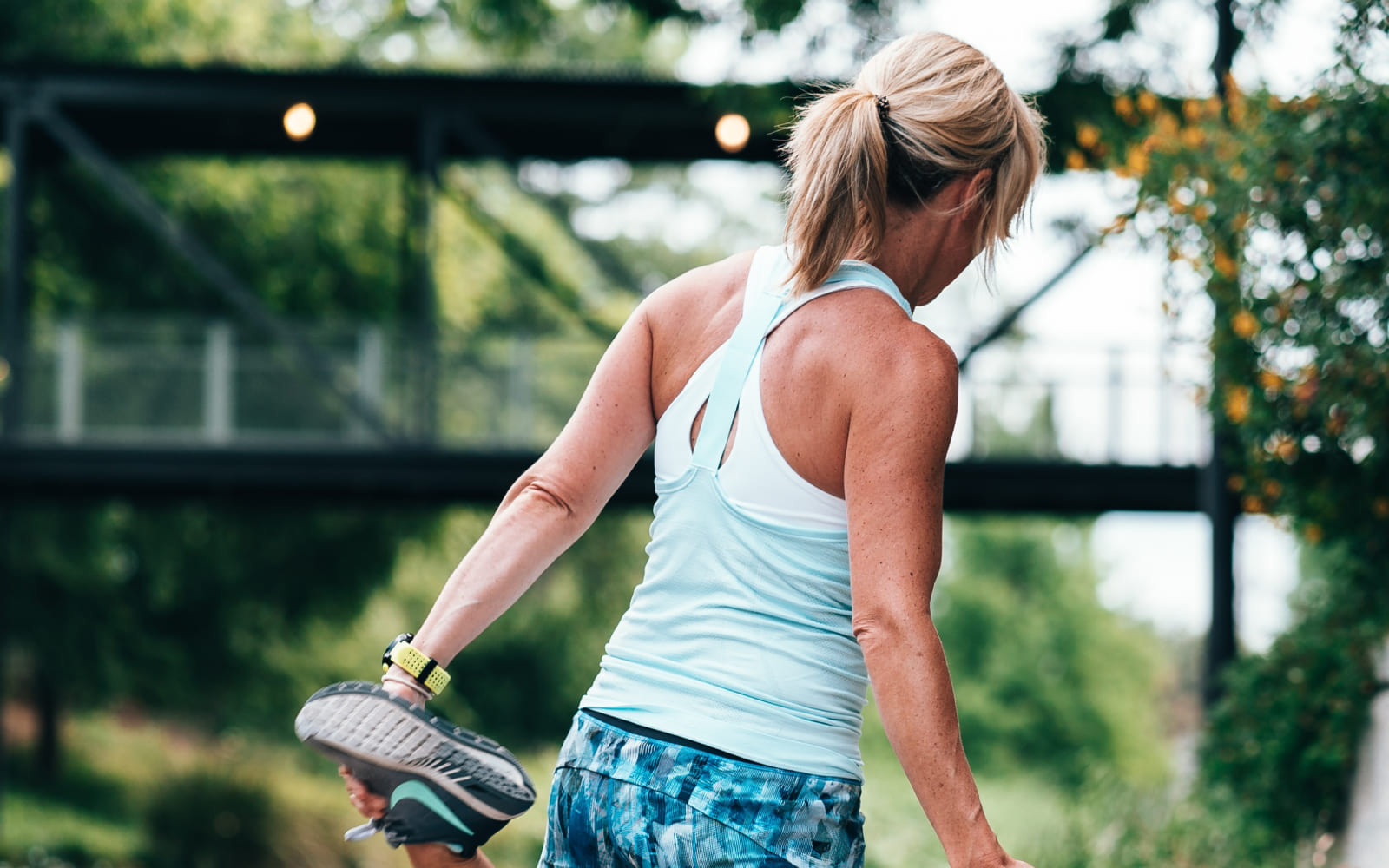
Gentle yoga poses or stretching before bed can release tension accumulated throughout the day. Yoga helps relax muscles, improve circulation, and calm the mind, all of which support faster sleep onset.
Recommended poses:
- Child’s Pose
- Legs-Up-The-Wall Pose
- Cat-Cow Stretch
- Reclining Bound Angle Pose
Spending 10–15 minutes on gentle stretches not only relaxes your body but also signals that it’s time to wind down.
7. Limiting Screen Time
While not a traditional “relaxation technique,” reducing exposure to screens before bedtime is crucial for falling asleep faster. Blue light from phones, computers, and TVs interferes with melatonin production—the hormone responsible for sleep regulation.
Tips:
- Avoid screens 1 hour before bed.
- Replace screen time with reading, listening to calming music, or practicing relaxation techniques.
- Consider using blue light filters if avoiding screens is impossible.
By reducing stimulation from screens, your mind can naturally prepare for sleep.
Creating a Relaxing Bedtime Routine
Combining these techniques into a nightly routine can maximize their effectiveness. Here’s an example routine:
- Dim the lights and turn off screens.
- Take a warm shower or bath.
- Practice deep breathing or progressive muscle relaxation.
- Engage in a brief mindfulness meditation or visualization.
- Diffuse calming essential oils in your room.
- Lie down in a comfortable position and focus on slow, steady breathing.
Consistency is key. By practicing these techniques regularly, your body will learn to associate them with sleep, making it easier to fall asleep faster over time.
FAQs
1. How long does it take for relaxation techniques to work?
The effect can vary. Some people may feel relaxed immediately, while others may need 10–20 minutes of practice. Consistent use improves effectiveness over time.
2. Can relaxation techniques help with insomnia?
Yes, relaxation techniques are often recommended as a first-line approach for mild insomnia. They reduce stress and calm the mind, making it easier to fall asleep.
3. Is guided imagery better than meditation for sleep?
Both are effective, but it depends on personal preference. Guided imagery is helpful if you enjoy mental visualization, while meditation is better for focusing on awareness and reducing thought patterns.
4. Can children benefit from these relaxation techniques?
Absolutely. Techniques like deep breathing, gentle stretching, and visualization are effective for children and can help them develop healthy sleep habits.
5. How often should I practice relaxation techniques for best results?
Ideally, practice them every night before bed. Even 5–15 minutes consistently can significantly improve sleep quality and help you fall asleep faster.
Conclusion
Falling asleep faster isn’t always about counting sheep or forcing yourself to rest. Relaxation techniques like deep breathing, progressive muscle relaxation, mindfulness, and gentle yoga can calm both body and mind, making the process of falling asleep smoother and more natural. By incorporating these techniques into a consistent bedtime routine, you not only improve the speed at which you fall asleep but also enhance the quality of your sleep, helping you wake up refreshed and ready for the day ahead.
About the author : Richard