Introduction
Menstruation is a natural process that most women experience from puberty until menopause. A regular menstrual cycle typically lasts between 21 to 35 days, with bleeding lasting around 3 to 7 days. However, not all cycles are regular. Many women experience menstrual irregularities at some point in their lives — and while it can sometimes be harmless, it can also signal underlying health issues.
Understanding menstrual irregularities is essential for maintaining reproductive health and overall well-being. In this article, we’ll explore what menstrual irregularities are, what causes them, common symptoms, how to manage them naturally, and when to see a doctor.
What Are Menstrual Irregularities?
Menstrual irregularities refer to any changes in the normal menstrual cycle. This includes variations in cycle length, flow intensity, or the presence of pain and other symptoms.
Common types of menstrual irregularities include:
- Amenorrhea – Absence of menstruation for more than three months in women of reproductive age.
- Oligomenorrhea – Infrequent periods or cycles longer than 35 days.
- Menorrhagia – Excessively heavy or prolonged menstrual bleeding.
- Polymenorrhea – Menstrual cycles shorter than 21 days.
- Dysmenorrhea – Painful periods, often accompanied by cramps, nausea, or fatigue.
- Metrorrhagia – Bleeding between menstrual periods.
These irregularities can occur occasionally or become chronic depending on the cause.
Common Causes of Menstrual Irregularities
There are numerous reasons why a woman might experience irregular periods. Understanding these causes can help determine whether lifestyle changes or medical treatment are needed.
1. Hormonal Imbalance
Hormones such as estrogen and progesterone regulate the menstrual cycle. Any imbalance — whether caused by stress, diet, thyroid issues, or birth control — can lead to irregular periods.
2. Stress and Emotional Factors
High stress levels can interfere with the part of the brain that controls hormones, known as the hypothalamus. Emotional distress, anxiety, or major life changes can delay or even stop menstruation temporarily.
3. Polycystic Ovary Syndrome (PCOS)
PCOS is a common condition where small cysts develop on the ovaries, affecting hormone levels. Women with PCOS often experience irregular or missed periods, acne, weight gain, and excess hair growth.
4. Thyroid Disorders
Both hypothyroidism (underactive thyroid) and hyperthyroidism (overactive thyroid) can affect menstrual regularity. These conditions impact metabolism and hormone production, disrupting the cycle.
5. Weight Changes
Sudden weight loss, obesity, or eating disorders can influence hormonal balance. Low body fat reduces estrogen levels, while obesity increases it, both of which can lead to irregular cycles.
6. Birth Control Methods
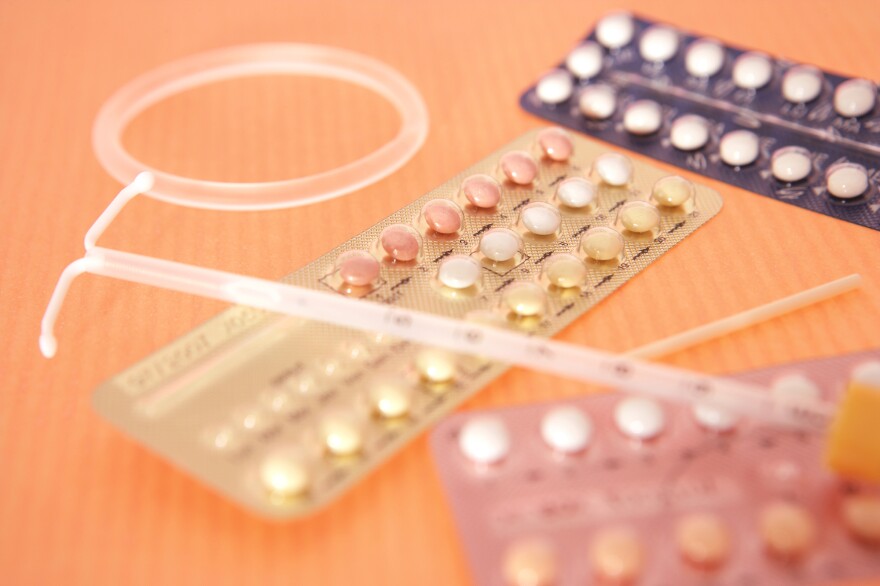
Certain birth control methods, especially hormonal ones like pills, implants, or IUDs, can cause temporary menstrual irregularities, particularly during the first few months of use.
7. Perimenopause
As women approach menopause (usually between ages 45–55), hormone levels fluctuate, causing irregular, lighter, or heavier periods before they eventually stop.
8. Medical Conditions
Conditions like uterine fibroids, endometriosis, or pelvic inflammatory disease (PID) can also lead to abnormal bleeding or irregular cycles.
Symptoms to Watch For
Menstrual irregularities can show up in different ways depending on the cause. Some common symptoms include:
- Skipping periods or having them too frequently
- Very heavy or light bleeding
- Severe menstrual cramps or pain
- Bleeding between cycles
- Mood swings, fatigue, or headaches
- Changes in vaginal discharge
If you notice persistent changes or sudden shifts in your menstrual cycle, it’s important to consult a healthcare provider for evaluation.
How to Manage Menstrual Irregularities Naturally
While some menstrual irregularities require medical attention, many can be managed with natural lifestyle changes and self-care.
1. Maintain a Healthy Diet
Eating a balanced diet rich in vitamins, minerals, and antioxidants helps support hormonal balance. Include:
- Leafy greens (spinach, kale)
- Whole grains (oats, brown rice)
- Lean proteins (fish, eggs, legumes)
- Healthy fats (avocados, nuts, olive oil)
Avoid excessive sugar, processed foods, and caffeine, which can worsen hormonal fluctuations.
2. Exercise Regularly
Moderate physical activity helps regulate hormones and maintain a healthy weight. Activities like yoga, walking, swimming, or cycling are great for improving blood circulation and reducing stress.
3. Manage Stress
Practice relaxation techniques such as meditation, deep breathing, or mindfulness. Chronic stress can disrupt the menstrual cycle, so learning to unwind is essential for balance.
4. Stay Hydrated
Drinking plenty of water helps your body detoxify and maintain normal circulation, which can reduce bloating and cramps during menstruation.
5. Get Enough Sleep
Poor sleep patterns can disturb hormone production. Aim for at least 7–8 hours of quality sleep each night to support overall hormonal health.
6. Herbal Remedies
Some herbs have been shown to help regulate menstrual cycles naturally. For instance:
- Ginger – Reduces menstrual pain and promotes regular flow.
- Cinnamon – Helps manage PCOS-related irregularities.
- Turmeric – Has anti-inflammatory effects that support hormonal balance.
- Chasteberry (Vitex) – Often used to manage PMS and irregular cycles.
Always consult a healthcare professional before starting herbal treatments, especially if you are on medications.
7. Track Your Cycle
Use a menstrual tracking app or a simple calendar to record your periods. Tracking helps you notice any patterns or changes, making it easier to discuss symptoms with your doctor.
When to See a Doctor
While occasional irregularities are common, consistent changes in your cycle should not be ignored. You should seek medical advice if:
- You haven’t had a period for 3 months (and are not pregnant)
- Periods become very heavy or painful
- You bleed between cycles or after sex
- You experience severe mood changes or fatigue
- You suspect conditions like PCOS or thyroid problems
Your doctor may perform blood tests, ultrasounds, or pelvic exams to identify the cause and suggest treatment options such as medication, lifestyle changes, or hormone therapy.
Preventing Menstrual Irregularities
While not all irregularities can be prevented, you can reduce your risk by:
- Maintaining a balanced diet and healthy weight
- Managing stress effectively
- Exercising regularly
- Getting regular medical checkups
- Avoiding smoking and limiting alcohol consumption
By caring for your body and listening to its signals, you can promote a more balanced and predictable menstrual cycle.
Conclusion
Menstrual irregularities are common, but they shouldn’t be ignored. They can be caused by factors ranging from stress and hormonal imbalances to medical conditions like PCOS or thyroid disorders. Understanding your body, adopting healthy lifestyle habits, and seeking professional advice when needed are key to maintaining a regular and healthy menstrual cycle.
Remember — every woman’s cycle is unique. What’s “regular” for one person may not be for another. The goal is not perfection but awareness, balance, and self-care.
Frequently Asked Questions (FAQs)
1. How many days is a normal menstrual cycle?
A normal menstrual cycle typically lasts between 21 and 35 days. Anything shorter or longer may be considered irregular.
2. Can stress cause menstrual irregularities?
Yes. High stress levels can affect hormone production and delay or stop your period temporarily.
3. Are irregular periods always a sign of a health problem?
Not necessarily. Occasional irregularities are common, but frequent or severe changes may indicate an underlying issue that needs medical attention.
4. How can I naturally regulate my periods?
Eat a balanced diet, exercise regularly, reduce stress, and get enough sleep. Herbal remedies like ginger or chasteberry may also help, but consult your doctor first.
5. When should I visit a doctor for irregular periods?
If you miss several periods in a row, experience unusually heavy bleeding, or have other symptoms like fatigue or pelvic pain, it’s best to see a healthcare professional.
About the author : Richard