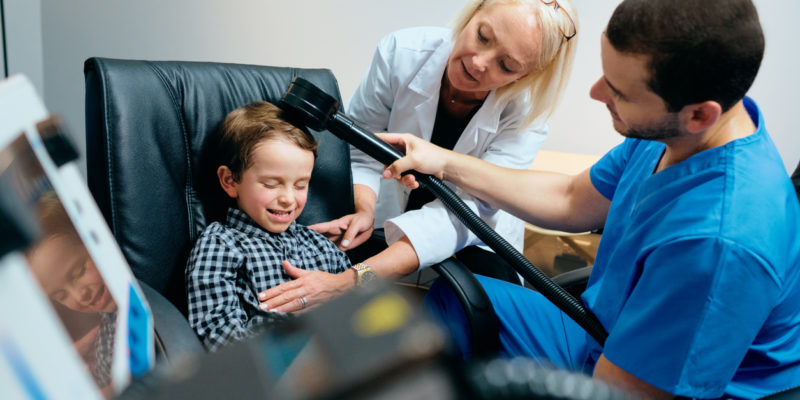
Neurology is a medical field that treats the human nervous system, and doctors can treat various conditions. Because the central nervous system controls bodily functions, doctors typically undergo years of highly specialized medical training. Neurologists deeply study the brain, and they diagnose complex spinal cord issues for their patients. These are some of the conditions a neurologist can treat:
Migraines and Headaches
When a severe headache occurs, it disrupts daily routines and causes extreme physical pain. A regular headache usually hurts, but a true migraine causes intense throbbing pain across the head. Patients may experience sudden, intense nausea during these disruptive migraine episodes. Doctors review these physical symptoms to plan highly effective relief methods for every patient.
Some people take daily preventative medication, or they try resting in complete silence and absolute darkness. Neurologists carefully map out specific environmental triggers for each individual patient during routine clinic visits. While over-the-counter pills help slightly, customized prescription options provide stronger long-term pain relief.
Brain Disorders
Neurologists efficiently treat many brain disorders during their standard working hours. Epilepsy causes sudden, intense physical seizures, and doctors monitor these severe events very closely. If a patient has severe epilepsy, they require routine brain scans to track electrical patterns. These highly specific diagnostic tests used in neurology record brain activity to perfectly guide accurate medical diagnoses.
Neurologists also treat conditions that affect memory and cognitive function:
- Memory loss: As we age, some memory loss is normal, but for some people, it becomes an issue. A neurologist can help you understand what to expect.
- Alzheimer’s disease: This condition leads to more severe memory loss and cognitive decline by damaging brain cells over time. Neurologists use specific cognitive tests to diagnose Alzheimer’s and distinguish it from other conditions.
Movement Disorders
Movement problems can affect people at any age, and neurologists have the training to diagnose these conditions. Parkinson’s disease causes tremors, slow movement, and muscular stiffness, so regular check-ins help track changes over time. Some disorders, such as dystonia, result in involuntary muscle contractions that disrupt daily activities.
Strokes and Aneurysms
A neurologist evaluates sudden changes in speech, vision, or movement because these issues may signal a stroke or aneurysm. People may recognize the signs too late, but acting quickly can improve outcomes. When blood flow to the brain is interrupted, quick diagnosis and treatment are required.
In addition to immediate care, follow-up monitoring tracks recovery progress and prevents complications. Here are some standard symptoms to watch for:
- Numbness or weakness, especially on one side of the body
- Trouble speaking or understanding words
- Vision changes in one or both eyes, impacting daily life
Recognizing these warning signs leads to faster medical attention, and neurologists play a key role in both acute care and long-term management.
Find a Neurology Clinic Today
If you are experiencing changes in your memory, movement, or senses, reaching out to a neurology clinic is the first step. Early evaluation leads to clearer answers because neurologists focus on diagnosing and understanding complex conditions. Getting help now may provide you with guidance, practical solutions, and a better understanding of your nervous system health. Take charge of your well-being and schedule a visit with a neurologist today.
About the author : Richard