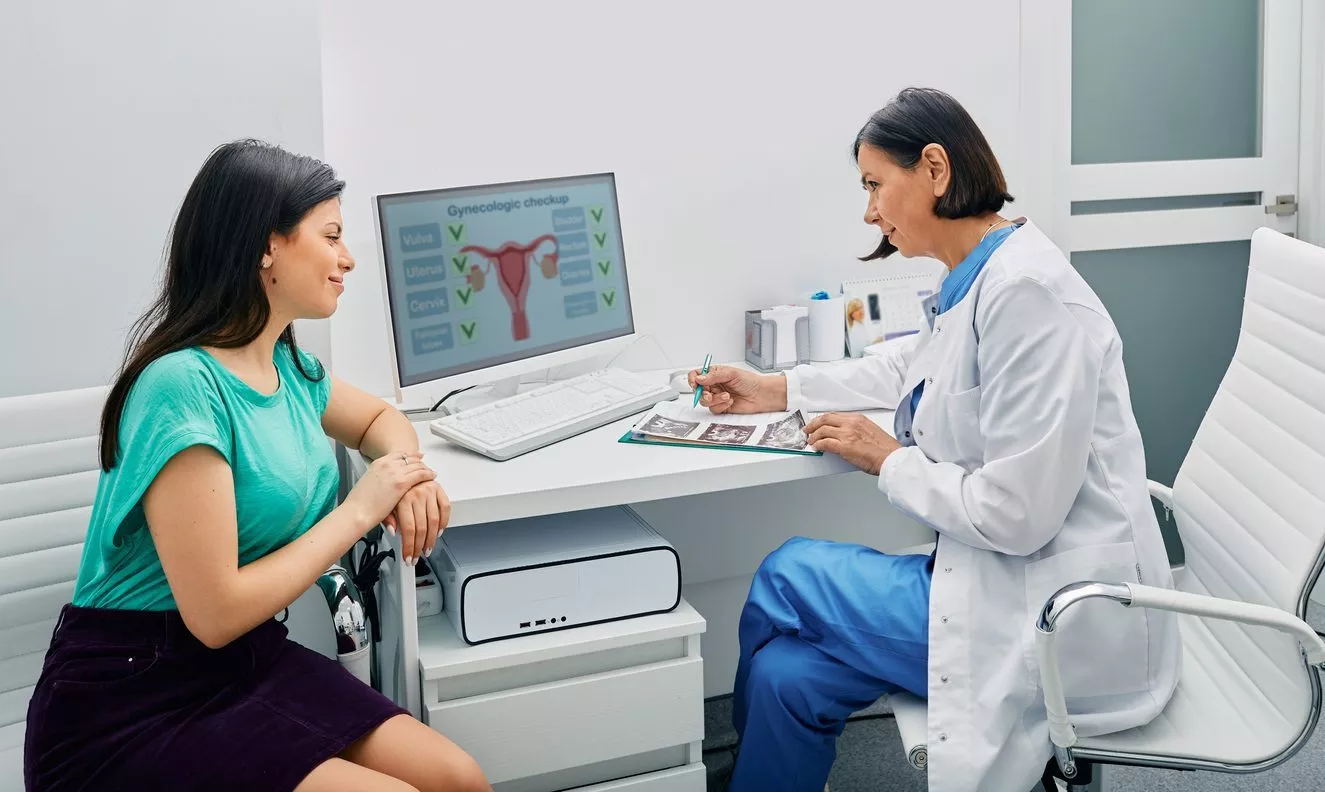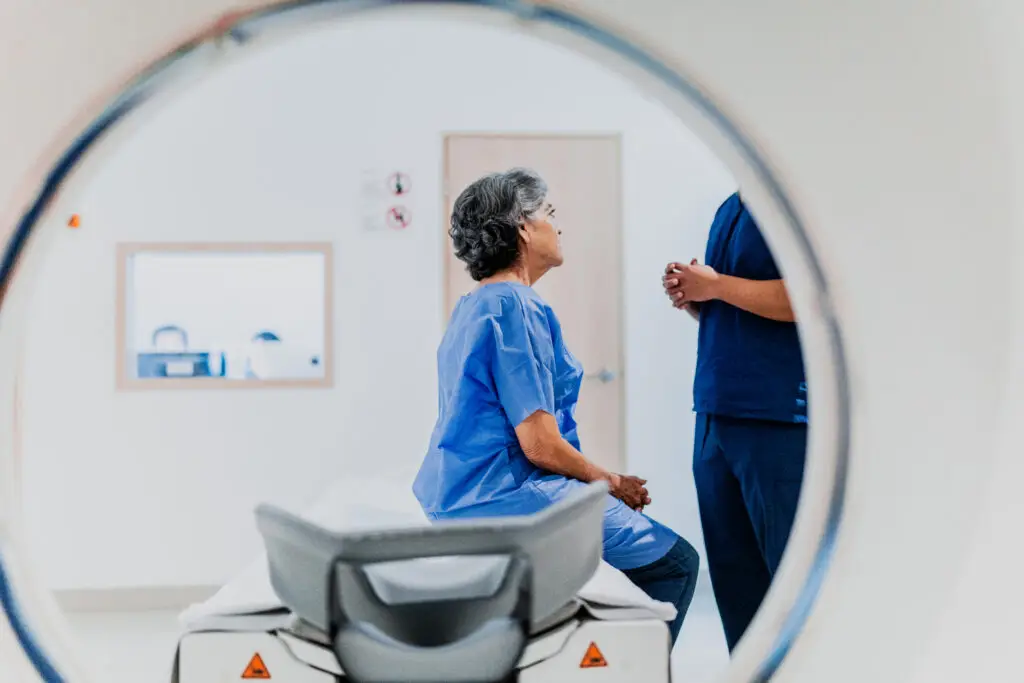
Interventional radiologists use precise medical imaging to guide instruments during treatment. This specialty targets liver tumors using non-surgical methods. You may have options besides open surgery, and doctors will discuss your individual care plan. While interventional radiology provides a different approach, specialists aim to match treatments to your needs.
Techniques for Ablation
Tumor ablation techniques focus on treating localized cancer cells. These interventional radiology approaches are used when surgery cannot be done due to the tumor’s health or location. Radiofrequency ablation and microwave ablation are used to target tumors. Cryoablation freezes tumor tissue with a probe, and it is monitored in real time. The choice between ablation methods depends on tumor size, location, and number, with imaging supporting planning and execution.
These ablation approaches avoid large surgical incisions, and advanced imaging is used throughout for guidewire and probe placement. Specialists map the liver before treatment, using imaging to help the approach is safe and tailored. Tumor ablation aims to address the tumor, and they try to spare healthy tissue. Discuss any outcome concerns you have. Imaging guides placement and monitoring before, during, and after each session. If you have underlying health conditions, your care team will discuss which technique is most appropriate for your situation.
Procedures and Therapies
Outpatient procedures deliver medical therapies directly into tumors while using specialized tools and imaging guidance. Many of these procedures are performed in radiology, and they often allow you to return home soon. Percutaneous ethanol injection uses concentrated alcohol. Radioembolization delivers radioactive spheres through blood vessels to target a specific region. Selective Internal Radiation Therapy (SIRT) applies similar principles, focusing on certain tumors by delivering radiation through targeted blood vessels. The procedures are targeted using imaging for accuracy. Medical professionals monitor progress while working to deliver materials as precisely as possible. Regular follow-up with your care team supports ongoing care, and it helps assess your treatment plan.
Benefits of Different Treatments
Minimally invasive treatments are an option for managing liver tumors. These techniques use small incisions or needle punctures rather than large surgical cuts, aiming to reduce tissue disruption. Small entry points mean less physical stress on your body, while the treatment is delivered directly to the tumor. These interventions are guided by imaging to minimize impact, and they focus care on the needed area. Pain management procedures are available as needed, and your care team will discuss any concerns about comfort. Because general anesthesia is often not required, recovery can begin soon after the procedure. These methods are sometimes appropriate for people who have other health conditions, depending on their situation. You and your care team will develop a follow-up plan. Ongoing discussions with your healthcare provider help make sure any concerns are addressed.
Discuss Interventional Radiology Today
Interventional radiology modernizes the active management of liver tumors. These modern medical methods offer benefits, and they expand your clinical options. Since every diagnosis is unique, your provider will build your specific treatment plan. Always discuss potential side effects with your dedicated medical team. Schedule a consultation to explore your targeted treatment choices today.
About the author : Richard