Orthodontic treatment focuses on aligning the teeth and jaws, and it provides long-term functional benefits. Correcting misalignments helps prevent future dental issues and promotes overall oral health. Understanding the orthodontic options helps patients make informed decisions about their oral health. Here is more information on orthodontics, dental issues, what causes them, and how they are prevented:
What Is Orthodontics?
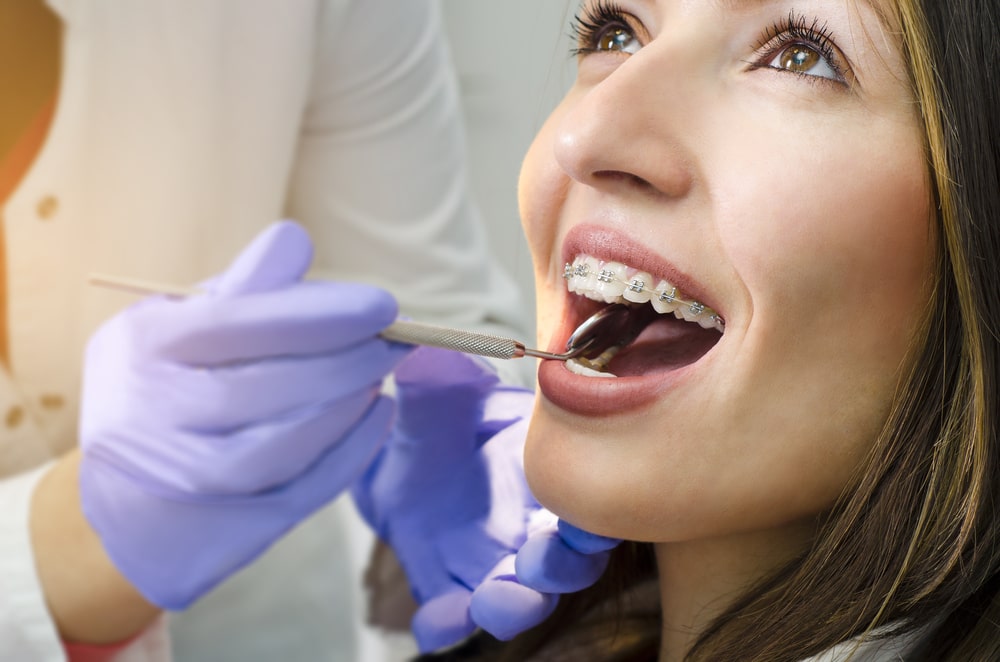
Orthodontics is a specialized branch of dentistry focused on diagnosing and treating facial and dental irregularities. Orthodontists use appliances such as braces and aligners, which gradually move teeth into their proper positions. The primary goal is to achieve a functional bite. A proper bite distributes chewing forces evenly across all teeth, reducing excessive wear on specific areas.
What Are Dental Issues?
Dental issues encompass a wide range of conditions affecting the teeth, gums, and supporting bone structures. Common problems include tooth decay, periodontal disease, and abnormal wear on the enamel. These conditions compromise the structural integrity of the mouth, and they may require restorative treatments.
Malocclusions are another category of dental issues. This term refers to misaligned teeth or incorrect relationships between the upper and lower dental arches. Malocclusions include overbites, underbites, crossbites, and crowding, and these alignment problems contribute to other oral health complications.
What Causes Them?
Crowded or overlapping teeth create tight spaces that are difficult to clean. Plaque and tartar accumulate in these inaccessible areas, and this buildup provides a favorable environment for harmful bacteria. The bacteria produce acids that erode tooth enamel, leading to cavities and decay.
Misaligned bites place unnatural stress on the teeth and jaw joints during chewing. This constant pressure wears down the protective enamel layer, making teeth susceptible to fractures. The strain also affects the temporomandibular joint, and this can result in chronic pain or dysfunction.
How Are They Prevented?
Orthodontic treatment prevents these issues by properly aligning the teeth. Straight teeth are easier to brush and floss effectively, and this improved hygiene reduces plaque retention. Better cleaning habits lower the risk of developing cavities and reduce the likelihood of periodontal disease.
Correcting the bite also distributes chewing forces evenly across the dental arches. This balance prevents premature wear on specific teeth, and it protects the enamel from excessive stress. Orthodontics addresses the root cause of misalignment and eliminates physical strain on the jaw joints.
How Is Professional Care Beneficial?
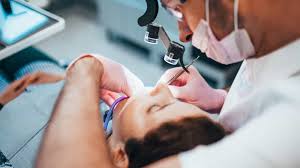
Professional orthodontic care provides a customized treatment plan based on individual anatomical needs. Orthodontists conduct comprehensive evaluations using X-rays and 3D imaging, and they use this data to determine the precise movements required. Regular monitoring by a specialist keeps the treatment on track. The orthodontist adjusts the appliances as needed and assesses the health of the teeth and gums at each visit, which maximizes the effectiveness of the treatment.
Prevent Future Dental Issues
Orthodontics directly addresses the structural causes of oral health problems. Aligning the teeth facilitates better oral hygiene, and correcting the bite prevents mechanical wear and joint strain. These interventions protect the teeth and gums, and they contribute to lasting dental stability. Consult an orthodontist to evaluate your bite and to discuss your specific needs.
About the author : Richard