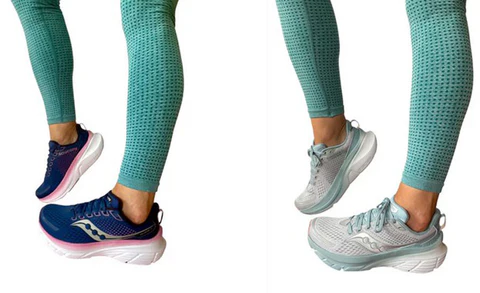
Flat feet are a structural condition that affects daily mobility. The arch of the foot collapses, and the entire sole makes contact with the ground. Proper footwear plays a significant role in managing this condition by helping distribute body weight evenly across the foot. Here is more information on this condition, its causes, symptoms, footwear suggestions, and the benefits of professional guidance:
What Are Flat Feet?
Flat feet occur when the arches on the inside of the feet are flattened, allowing the entire soles of the feet to touch the floor when standing. This condition affects both adults and children. The arch typically provides a spring to the step, and it helps distribute body weight across the feet and legs.
The human foot is a complex structure consisting of bones, ligaments, and tendons. These components work together to form the arch, and this structure provides necessary shock absorption during movement. When the arch is absent or diminished, the foot loses its natural shock-absorbing capability, which potentially causes pain and other issues.
What Causes Them?
The condition often develops when the arches do not form during childhood, and it can also result from an injury. Aging and wear and tear can weaken the tendons that support the arch. Some individuals inherit the structural trait. Others develop it due to specific medical conditions.
Factors like obesity place additional stress on the foot, which can contribute to arch collapse. Rheumatoid arthritis sometimes alters the structure of the foot over time. Diabetes occasionally affects nerve function in the feet, and this alteration can lead to arch deterioration.
What Are the Symptoms?
Some individuals with flat feet experience no signs, while others report foot pain. Pain can occur in the heel or arch area and worsen with prolonged physical activity. Swelling along the inside of the ankle sometimes accompanies the discomfort. Patients may notice that their shoes wear out unevenly, often on one side of the heel.
What Shoes Can Help?
Footwear with adequate arch support minimizes stress on the foot, which promotes proper alignment during walking. Shoes with a firm heel counter stabilize the rear of the foot. Motion-control shoes limit excessive inward rolling of the foot, and they provide maximum support for severe overpronation.
A wide toe box prevents toe compression, and a supportive insole cushions the foot’s sole. Patients should avoid flat shoes with thin soles. Shoes with removable insoles accommodate custom orthotics, which offer tailored support for individual foot structures.
Choosing the correct shoe size prevents additional friction and blistering on the foot. Patients should measure their feet, as this helps them choose the right size. Proper sizing accommodates structural changes that happen as the condition progresses, improving quality of life.
How Is Professional Guidance Beneficial?
A podiatrist can accurately diagnose the specific type of flat foot, guiding the treatment plan. They assess the mechanics of the foot during movement. This assessment helps determine the degree of support needed, and it identifies any related structural abnormalities.
Medical professionals can prescribe custom orthotic devices, and these inserts fit specifically to the contours of the patient’s foot. Podiatrists provide guidance on appropriate shoe modifications. Physical therapy exercises strengthen the supporting muscles, relieving pain and improving function.
Consult a Podiatrist Today
Managing flat feet requires the right combination of footwear and medical advice, and proactive treatment may prevent further complications. Proper shoes alleviate daily discomfort. Schedule an appointment with a podiatrist for a thorough evaluation to improve foot health.
About the author : Richard