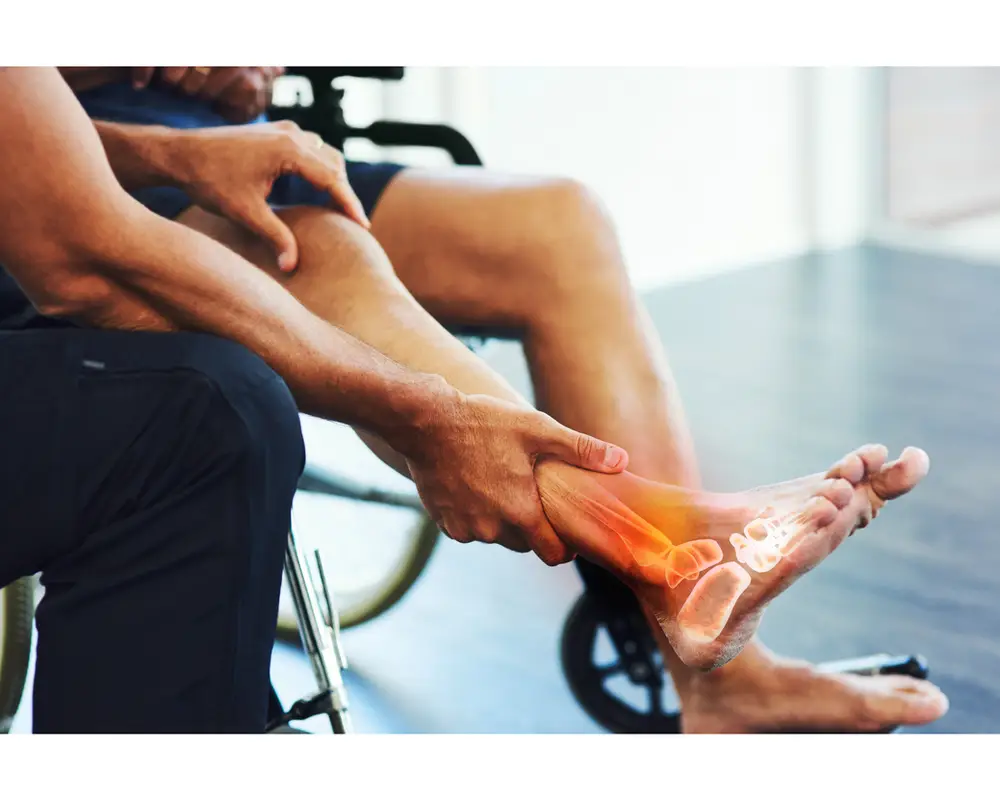
Heel spurs can make every step painful — a sharp, stabbing pain in your heel that feels impossible to ignore. If you’ve been dealing with discomfort caused by heel spurs, you’ll be happy to know that there are several home remedies that can help relieve the pain, reduce inflammation, and support healing.
In this article, we’ll explore the best home remedies for heel spurs, how they work, and some easy tips to prevent them from returning. Let’s get started!
What Are Heel Spurs?
A heel spur is a small, bony growth that develops on the underside of your heel bone (the calcaneus). It often forms when calcium deposits build up over time due to stress, strain, or repetitive pressure on the heel.
Heel spurs are closely linked to a condition called plantar fasciitis, which causes inflammation in the thick band of tissue (plantar fascia) connecting your heel to your toes.
Common symptoms include:
- Sharp pain in the heel, especially when standing up in the morning
- Swelling or tenderness in the heel area
- Difficulty walking or standing for long periods
Now that you understand what heel spurs are, let’s look at some natural, effective remedies you can try at home.
1. Ice Therapy — Simple Yet Effective
Applying ice is one of the easiest and most effective ways to reduce inflammation and pain caused by heel spurs.
How to do it:
- Take a few ice cubes or a frozen water bottle.
- Roll it gently under your foot for about 10–15 minutes.
- Repeat 2–3 times a day.
Why it works:
Cold therapy helps numb the pain and decrease swelling in the affected area. It’s particularly helpful after long periods of walking or standing.
2. Epsom Salt Soak — Soothe and Relax
Epsom salt (magnesium sulfate) is well-known for its muscle-relaxing and anti-inflammatory properties.
How to use it:
- Fill a basin with warm water.
- Add 2–3 tablespoons of Epsom salt and stir well.
- Soak your feet for 15–20 minutes.
- Gently massage your heels afterward.
Bonus tip: Do this before bedtime to help your muscles relax and promote better sleep.
3. Apple Cider Vinegar — Natural Pain Reliever
Apple cider vinegar is a traditional home remedy for many ailments, including heel spurs. It helps reduce inflammation, dissolve calcium buildup, and balance the body’s pH levels.
How to use it:
- Mix 1 tablespoon of apple cider vinegar in a cup of warm water. Drink it once daily.
- Or, soak a small towel in a mixture of vinegar and warm water, then wrap it around your heel for 15 minutes.
Note: Always dilute vinegar before applying it to your skin to avoid irritation.
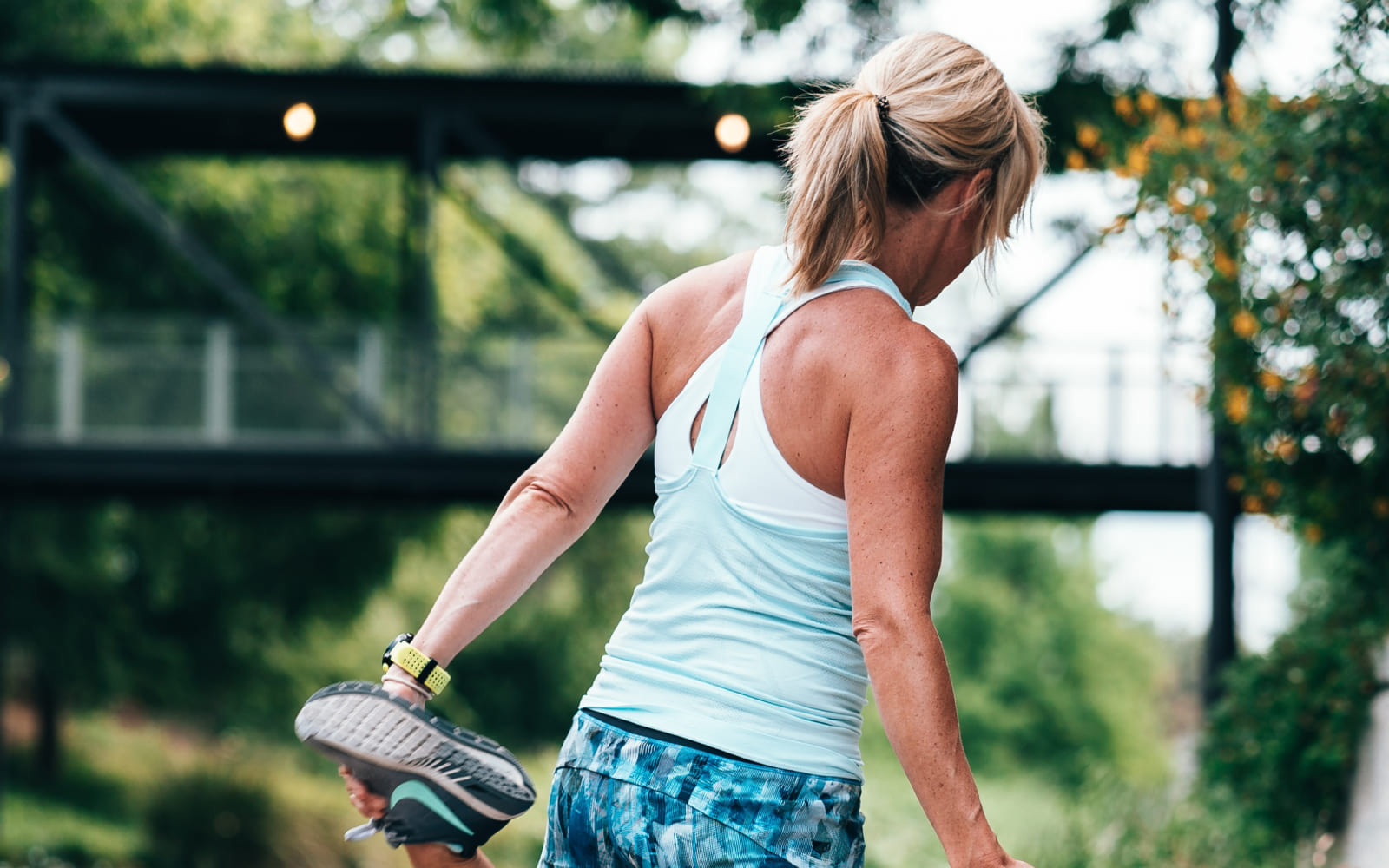
4. Gentle Stretching Exercises
Stretching the plantar fascia, Achilles tendon, and calf muscles can help relieve tension and prevent heel spurs from worsening.
Try these simple stretches:
- Towel stretch: Sit down, stretch your leg, and loop a towel around your foot. Gently pull toward you for 20 seconds.
- Wall stretch: Place your hands on a wall, one leg forward and the other back. Lean forward slowly until you feel a stretch in your calf. Hold for 30 seconds.
- Rolling massage: Roll a tennis ball or frozen water bottle under your foot for 5 minutes.
Do these exercises daily, especially in the morning and before bed.
5. Turmeric — The Golden Anti-Inflammatory
Turmeric contains curcumin, a natural compound known for its powerful anti-inflammatory and pain-relieving properties.
How to use it:
- Add 1 teaspoon of turmeric powder to a glass of warm milk and drink it daily.
- You can also take turmeric supplements (after consulting your doctor).
This helps reduce internal inflammation and supports faster healing of the affected tissues.
6. Proper Footwear — Support Matters
Wearing the right shoes is crucial when dealing with heel spurs. Avoid flat shoes or hard soles that put extra stress on your heels.
Tips for choosing footwear:
- Choose shoes with good arch and heel support.
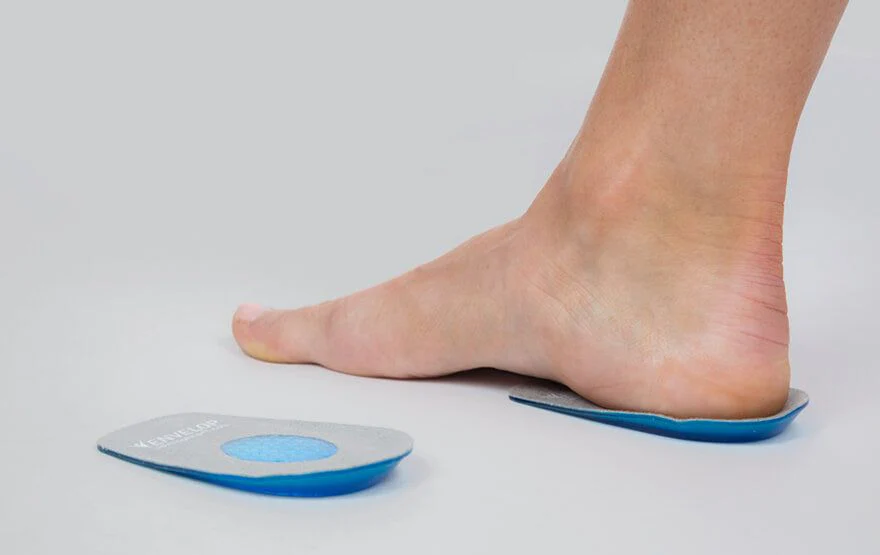
- Use cushioned insoles or orthotic inserts designed for heel pain.
- Avoid walking barefoot on hard floors.
If your shoes are worn out or uncomfortable, replace them — your feet will thank you!
7. Massage Therapy — Boost Blood Flow
Massaging your heel and surrounding area can help increase blood circulation and reduce muscle stiffness.
How to do it:
- Use your thumb or a small ball to massage your heel for 5–10 minutes daily.
- You can also use warm coconut oil or olive oil to make the massage more soothing.
Massage therapy helps break down scar tissue and relieve pain naturally.
8. Baking Soda — A Natural Soother
Baking soda has mild anti-inflammatory properties and can help neutralize acid buildup around the heel area.
How to use it:
- Mix ½ teaspoon of baking soda with a few drops of water to make a paste.
- Apply it to the affected area and leave it for 10 minutes before rinsing off.
- Repeat this 2–3 times per week.
It’s a simple and inexpensive way to ease heel discomfort.
9. Maintain a Healthy Weight
Carrying extra body weight puts additional pressure on your heels, which can worsen pain and inflammation.
Healthy weight management tips:
- Eat a balanced diet rich in fruits, vegetables, and lean proteins.
- Stay hydrated and limit processed foods.
- Engage in low-impact exercises like swimming, cycling, or yoga to stay active without straining your heels.
10. Rest and Recovery — Don’t Overdo It
Sometimes, your body just needs time to heal. Resting your feet and avoiding high-impact activities like running or jumping can help reduce inflammation and pain.
Use this time to focus on gentle exercises and home care. Overworking your feet may delay recovery.
When to See a Doctor
While home remedies work for many people, you should see a podiatrist if:
- The pain persists for several weeks
- You experience swelling or redness
- Walking becomes extremely difficult
A doctor may recommend treatments like physical therapy, steroid injections, or custom orthotics to support healing.
Final Thoughts
Heel spurs can be painful, but they don’t have to take over your life. With the right combination of home remedies, gentle exercises, and proper footwear, you can find lasting relief and prevent future flare-ups.
By making small changes in your daily routine — like stretching, icing, and eating anti-inflammatory foods — you can support your heel health naturally.
Take care of your feet; they carry you through life!
FAQs About Heel Spurs
1. How long does it take for heel spurs to heal naturally?
Most heel spurs improve within a few weeks to a few months with consistent home care, rest, and proper footwear.
2. Can I walk with heel spurs?
Yes, but you should avoid walking barefoot or on hard surfaces. Use cushioned shoes or heel pads to reduce pressure.
3. Is massage good for heel spurs?
Absolutely! Regular gentle massage can help reduce stiffness, improve blood circulation, and ease pain.
4. Do heel spurs go away on their own?
Heel spurs don’t always disappear completely, but the pain and inflammation can be managed effectively with home remedies and lifestyle changes.
5. What’s the best exercise for heel spur relief?
Calf stretches and rolling a tennis ball under your foot are two of the best exercises to relieve heel spur pain
About the author : Richard