Ingrown toenails may seem like a small issue, but they can quickly turn into a painful and bothersome problem if not handled properly. Whether it’s caused by tight shoes, improper trimming, or an injury, an ingrown toenail can make every step uncomfortable. The good news is that you can both prevent and treat ingrown toenails safely at home with the right care and attention. In this article, we’ll explore everything you need to know — from causes and prevention tips to gentle home remedies and when to seek medical help.
What Is an Ingrown Toenail?
An ingrown toenail occurs when the edge or corner of your toenail grows into the surrounding skin instead of over it. This often leads to redness, swelling, tenderness, and pain. In severe cases, it can even cause infection.
The big toe is the most commonly affected, but any toenail can become ingrown. While mild cases can be treated at home, more advanced cases may require professional medical attention.
Common Causes of Ingrown Toenails
Understanding what causes ingrown toenails can help you prevent them in the future. Some of the most common causes include:
- Improper nail trimming – Cutting toenails too short or rounding the corners encourages the nail to grow into the skin.
- Tight-fitting shoes – Footwear that squeezes your toes together puts pressure on the nail edges.
- Toe injuries – Stubbing your toe, dropping something heavy on it, or engaging in sports can cause abnormal nail growth.
- Genetics – Some people naturally have curved or thick nails that are more likely to become ingrown.
- Poor foot hygiene – Dirty or sweaty feet can soften the skin around the nail, increasing the risk.
- Repetitive stress – Activities like running or kicking can irritate the toe and promote ingrown nails.
Early Signs and Symptoms
Catching an ingrown toenail early can prevent further pain and infection. Look out for:
- Redness or swelling along the edge of the toenail
- Tenderness or pain when pressing on the toe
- Warmth or throbbing near the nail
- Fluid or pus (a sign of infection in advanced cases)
If the pain worsens or infection develops, it’s important to consult a podiatrist right away.
How to Prevent Ingrown Toenails Safely
Prevention is always better than treatment. Here are some effective tips to keep your toenails healthy and pain-free:
1. Trim Nails Properly
Cut your toenails straight across instead of curving the corners. Avoid cutting them too short — leave a small bit of the white nail edge visible. Use clean, sharp nail clippers to prevent jagged edges.
2. Wear Comfortable Shoes
Choose shoes that provide enough space for your toes to move freely. Avoid tight or pointed shoes that push the nail into your skin. For athletes, make sure your sports shoes fit well and provide good support.
3. Practice Good Foot Hygiene
Wash your feet daily with mild soap and warm water, and dry them thoroughly — especially between the toes. Keep your toenails clean and dry to prevent infection.
4. Protect Your Feet from Injury
Be cautious during physical activities that may injure your toes. Always wear protective footwear when working with heavy objects or playing contact sports.
5. Avoid Picking or Digging at Toenails
Never attempt to cut deep corners or dig out an ingrown nail yourself — this often makes the problem worse or leads to infection.
Safe Home Remedies for Ingrown Toenails
If you’re dealing with a mild ingrown toenail, you can often manage it safely at home using gentle remedies. Here’s what you can do:
1. Soak Your Feet
Soak your feet in warm, soapy water for 15–20 minutes, 2–3 times a day. This helps soften the skin and nail, reducing pain and swelling. You can add Epsom salt for extra relief and to prevent infection.
2. Lift the Nail Gently
After soaking, gently lift the edge of the ingrown nail with a clean cotton ball or dental floss. This helps it grow above the skin edge instead of into it. Replace the cotton daily until the nail grows out properly.
3. Apply an Antibacterial Ointment
Use an over-the-counter antibiotic cream or ointment to prevent infection. Cover the toe with a loose bandage to keep it clean.
4. Wear Open-Toed or Loose Shoes
Let your toe breathe. Avoid tight shoes or socks that put pressure on the affected area. Sandals or soft shoes are ideal until healing occurs.
5. Manage Pain
If the pain is bothersome, you can take over-the-counter pain relievers like ibuprofen or acetaminophen to reduce inflammation and discomfort.
When to See a Doctor
While many cases of ingrown toenails can be treated at home, some require professional care. You should see a podiatrist if:
- The pain is severe or worsening
- There is pus, bleeding, or signs of infection
- You have diabetes, poor circulation, or nerve damage
- Home remedies haven’t improved the condition within a week
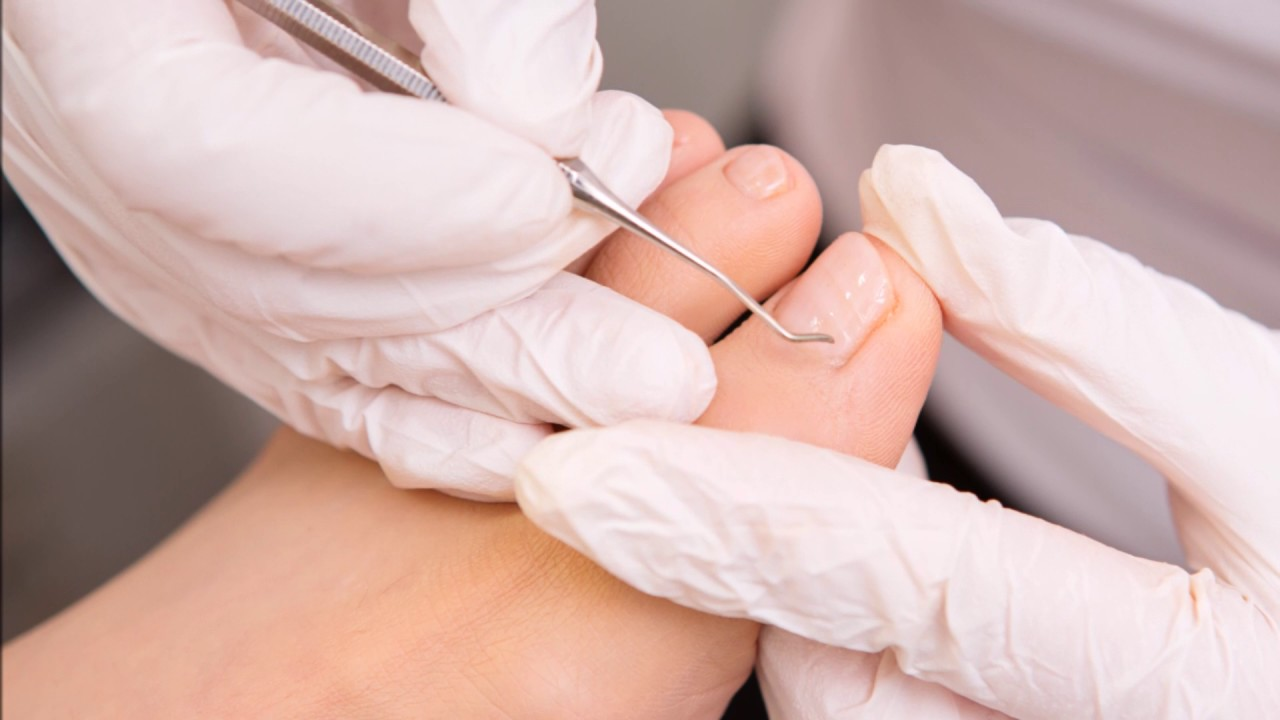
A doctor may lift or partially remove the nail under sterile conditions, prescribe antibiotics if infection is present, or perform a minor procedure to prevent recurrence.
Medical Treatments for Ingrown Toenails
For persistent or severe cases, medical treatments may include:
- Nail Lifting – The doctor gently lifts the edge of the nail and places a splint or cotton underneath.
- Partial Nail Removal – A portion of the nail is removed to allow the area to heal properly.
- Nail and Root Removal (Matrixectomy) – For recurring ingrown nails, the nail’s growth area may be treated to prevent regrowth.
- Antibiotics – If infection occurs, oral or topical antibiotics may be prescribed.
These treatments are quick and usually cause minimal discomfort. Healing typically occurs within a few weeks.
Tips for Long-Term Nail Health
Maintaining strong, healthy toenails is key to avoiding future issues. Here are some long-term care tips:
- Keep nails trimmed straight across
- Moisturize your feet daily to prevent dry skin
- Avoid cutting nails too short
- Choose breathable socks and shoes
- Check your feet regularly, especially if you have diabetes or poor circulation
Conclusion
Ingrown toenails can be painful, but they are highly preventable and treatable with proper care. By trimming your nails correctly, wearing comfortable shoes, and practicing good foot hygiene, you can greatly reduce your risk. For mild cases, warm foot soaks and gentle nail lifting can bring quick relief. However, if you notice infection or severe pain, don’t hesitate to seek professional help. With safe and consistent care, your feet will stay healthy, comfortable, and free from ingrown nails.
Frequently Asked Questions (FAQs)
1. Can I cut out an ingrown toenail myself?
No. Trying to cut or dig out an ingrown toenail yourself can worsen the problem or lead to infection. It’s best to soak your foot and gently lift the nail, or see a podiatrist if it’s severe.
2. How long does it take for an ingrown toenail to heal?
Mild cases usually heal within 1–2 weeks with proper home care. If an infection develops or medical treatment is needed, healing may take up to 3–4 weeks.
3. Are ingrown toenails common in children?
Yes. Children and teenagers often develop ingrown toenails due to tight shoes, improper nail trimming, or sports activities. Teaching good foot care habits early can prevent this.
4. Can I use hydrogen peroxide on an ingrown toenail?
You can use diluted hydrogen peroxide to clean the area, but it should not replace proper soaking or medical care. Overuse can dry out the skin, so use it sparingly.
5. When should I see a doctor for an ingrown toenail?
You should visit a doctor if there’s pus, swelling, spreading redness, severe pain, or if you have diabetes or poor circulation. Professional care ensures proper healing and prevents complications.
About the author : Richard