Dentures serve as replacements for missing teeth, and they support daily life. Losing teeth may happen for different reasons, such as aging, injury, or health issues. These removable devices help restore eating, speaking, and even social confidence for many people, providing a simple and effective way to manage tooth loss. Here are some innovations in dentures used in modern clinics today:
Snap-on Dentures
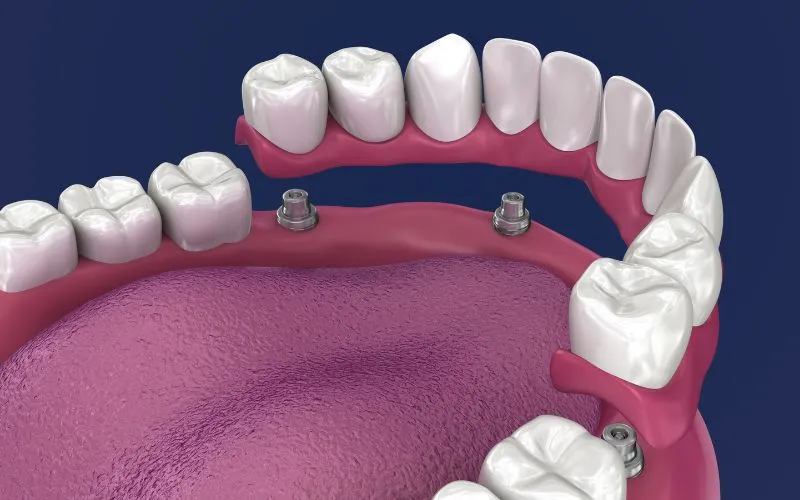
Traditional dentures rest directly on your gums, but snap-on models attach in a new way. Using small attachments, these devices connect to dental implants or anchors in your jaw. Each device is placed over posts and locks into position, which reduces unwanted movement during normal activities.
It is typically easy to remove these dentures at night, which supports a convenient hygiene routine. After removal, gently brush the appliance using a paste designed specifically for denture care. Clean dentures last longer, so keeping up with this daily step preserves their surfaces for extended use.
Custom-fitted Devices
Dentists use digital impressions to map your exact mouth shape, which is an advancement over older methods that sometimes lacked precision. Digital scans gather precise details about your mouth, so the lab creates a denture that matches closely. This process removes much of the uncertainty seen with traditional molds, giving you a device that fits much better day-to-day.
Resins in new dentures are more advanced than in the past, making the appearance closer to natural teeth. Technicians in dental laboratories choose high-quality acrylics for strength and durability. If your denture feels uncomfortable, your dentist can make small modifications quickly and easily.
Modern techniques are used in the fabrication process, producing durable materials for a refined final product. Layers bond fast due to the speed of modern machines, creating a denture base that is both precise and sturdy. As the liquid resin sets, it forms a solid foundation ready for daily use.
Metal-based Posts
Dentists insert tiny titanium posts into the jawbone through a minor surgical process. The metal blends with bone tissue over time, delivering a firm base for snap-on options or other advanced denture types. Before a finished denture is placed, the bone tissue around the posts must heal and grow around the implant to help steady the device.
Dental posts may involve:
- Titanium artificial roots
- Metal abutment connectors
- Acrylic baseplates
These components work together to provide a strong structure for the denture to attach to, supporting jaw health and offering stability in daily use.
Increased Comfort
Many dentures today weigh less because updated materials spread pressure more evenly across your gums. Thin, soft liners sit on the hard acrylic base, cushioning sensitive areas while you go about your day. Because of these changes, users are less likely to develop sore spots or irritation. Daily wear feels more comfortable, and jaw fatigue may be noticeably reduced for many users who had discomfort with previous models.
Schedule a Visit for Dentures
Advancements in denture technology continue, and new fabrication options become available each year. When you’re ready to explore a different solution, a dental professional helps you weigh your choices. For helpful advice and the next steps toward new dentures, call a dental clinic to set up a consultation. Your dental health benefits from timely updates and a collaborative approach.
About the author : Richard