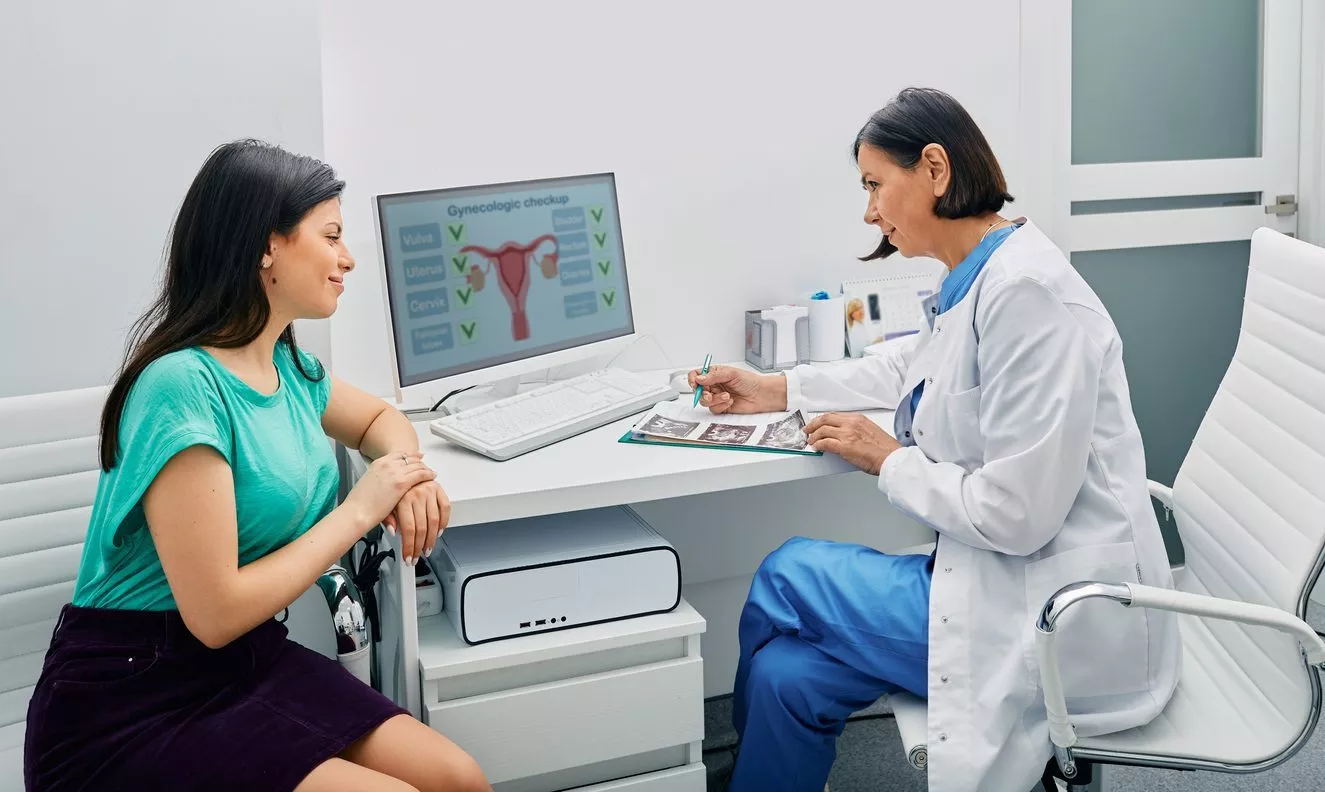
Reproductive health involves the physical and mental well-being of the female reproductive system, and a womens clinic provides services and education on this topic. Medical professionals share knowledge about family planning and disease prevention. Preventive care is also provided at these clinics, with doctors informing patients of their options and about their results. Here is more information about healthcare clinics for women and what they do:
Understanding Healthcare Facilities
A womens clinic provides specialized medical care for female patients. Medical staff diagnose conditions, and they treat reproductive illnesses. Patients receive routine exams in these facilities. Some facilities offer preventive screenings, while others focus on maternity care.
Exploring Healthcare Services
Reproductive healthcare includes a wide range of medical treatments. Doctors perform pap smears, and they conduct breast exams. These screenings detect early signs of cancer. While clinics treat sexually transmitted infections, they also offer counseling services.
Many facilities provide prenatal care for pregnant patients. Medical teams monitor fetal development, and they check the mother’s health. When patients receive ultrasounds, they can see the baby’s growth. Blood tests reveal nutritional deficiencies, and doctors recommend appropriate vitamins.
Services cover the following areas:
- Routine gynecological exams
- Sexually transmitted infection testing
- Pregnancy monitoring
- Fertility counseling
These comprehensive services maintain physical health. Patients receive personalized care plans, and doctors track their progress over time. Follow-up visits confirm the success of a treatment. If a treatment does not achieve the desired result, the doctor adjusts the medication.
Reviewing Birth Control
Medical professionals prescribe various contraceptives. When doctors explain the benefits of each method, they also discuss side effects. Patients choose the best option for their lifestyle. The doctor evaluates medical history, so they avoid dangerous drug interactions.
Clinics offer several primary birth control options:
- Oral contraceptive pills
- Intrauterine devices, or IUDs
- Contraceptive implants
- Barrier methods like condoms
An IUD provides long-term pregnancy prevention. Because birth control pills require daily use, patients must remember to take them. Implants sit under the skin, and they release hormones steadily. A provider helps you choose a method. Condoms prevent pregnancy, and they also stop sexually transmitted infections.
Managing Menopause Needs
Menopause brings significant physical changes to many middle-aged women. Hormone levels drop, and the menstrual cycle stops. Women may experience hot flashes during this transition. If night sweats disrupt sleep, doctors may suggest lifestyle adjustments.
Medical providers offer hormone replacement therapy. This treatment relieves severe symptoms, and it protects bone density. Doctors monitor patients closely while they take hormones. They adjust the dosage based on symptom severity. Careful management minimizes health risks.
Bone health becomes a major focus during this stage of life. Osteoporosis risks increase after menopause, so clinics recommend calcium supplements. Providers track bone density with specialized scans. Doctors prescribe bone-strengthening medications that may help prevent fractures.
Find a Womens Clinic
Womens Clinics offer birth control counseling, and they provide menopause management. Education remains a core part of reproductive healthcare. Medical providers guide patients through every stage of life. If you want to learn more about the services a womens clinic provides, consult a women’s healthcare provider near you.
About the author : Richard